
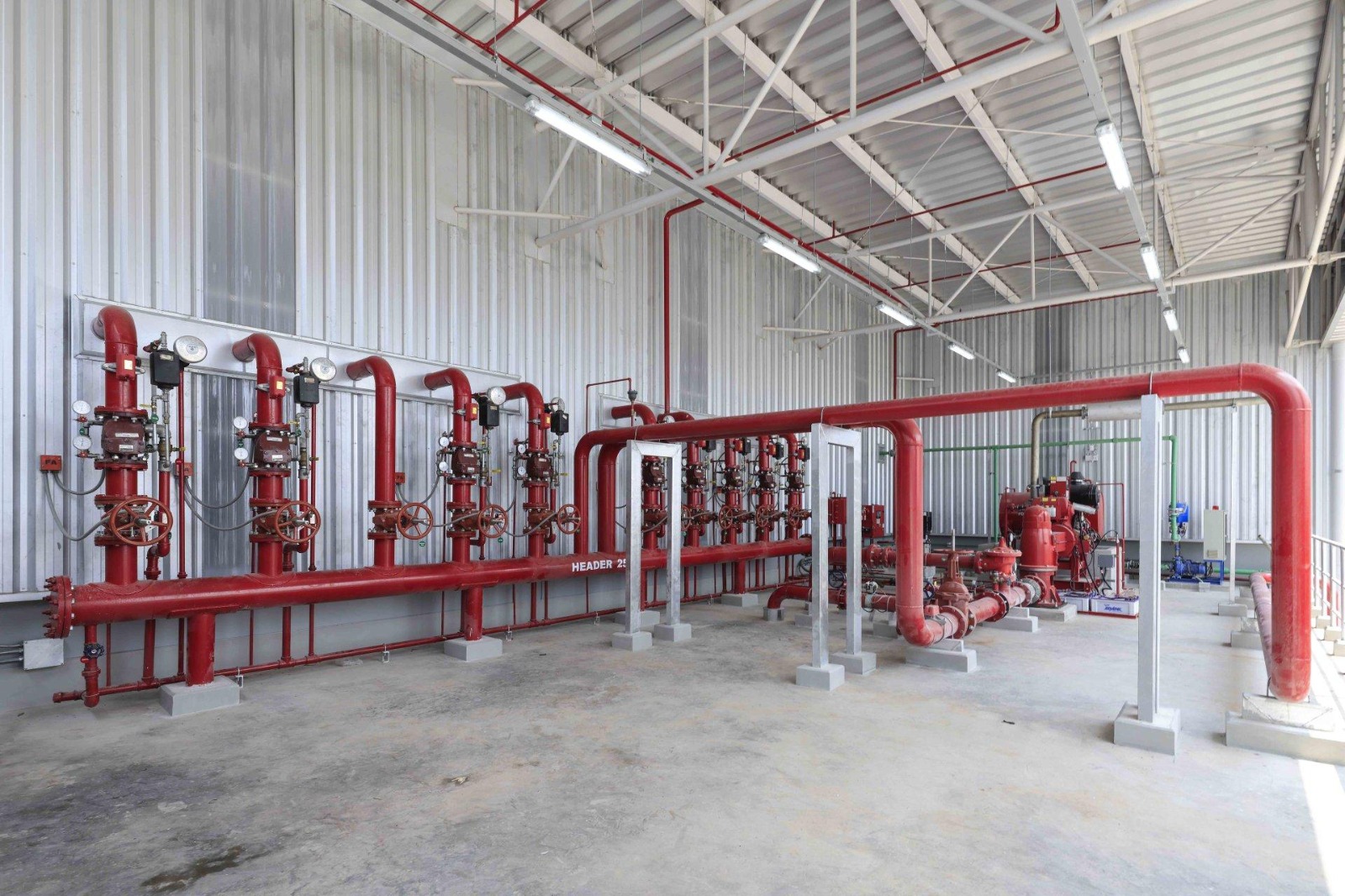
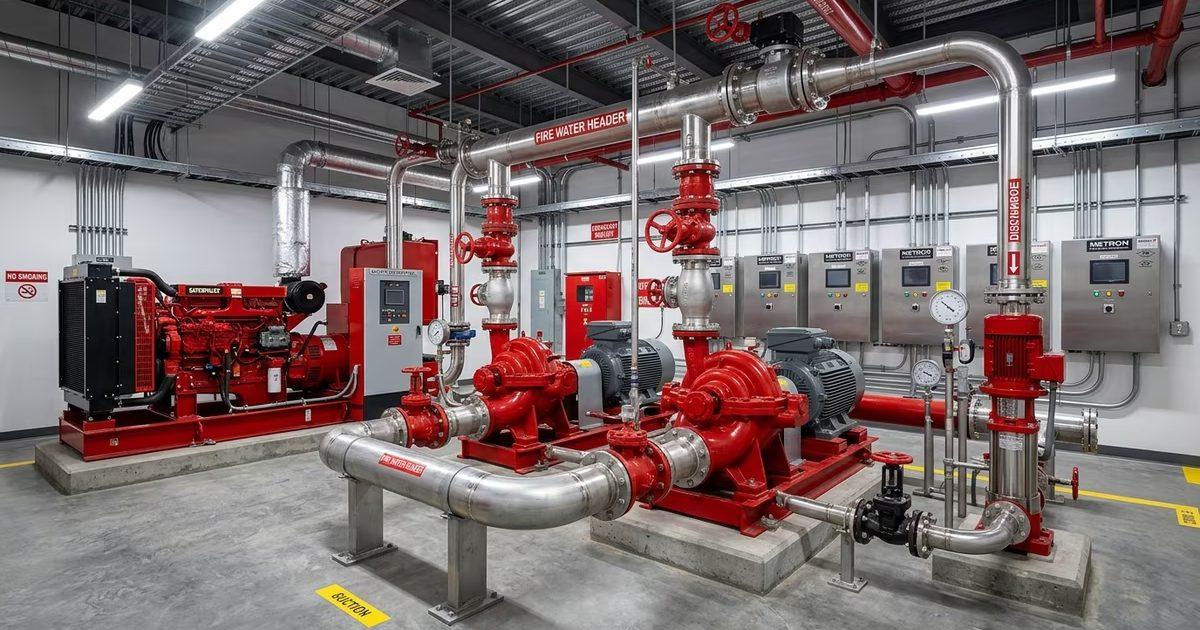
Complete hydrant network for reliable firefighting water supply.
A Fire Hydrant System is a permanently installed fire-protection system designed to provide a reliable supply of pressurized water for firefighting. It consists of a network of fire-fighting pumps, water storage tanks, piping, hydrant valves, hoses, nozzles, fire brigade connections and associated controls.
Fire hydrants are strategically located throughout buildings, industrial facilities, commercial complexes, warehouses, parking areas and other high-risk premises so that firefighters can quickly connect hoses and deliver a large volume of water to control and extinguish a fire.
The primary purpose of a fire hydrant system is to provide immediate and continuous water for firefighting.
A properly designed system helps to-
1.Deliver water at the required pressure and flow.
2.. Provide firefighting water at different locations within a facility.
3. Support firefighters during emergency operations.
4.Control and contain fire until it is completely extinguished.
5. Provide a dependable firefighting arrangement independent of ordinary domestic water supply.
Fire hydrants with a variety of valves and connection points are seen in many places. In the event of a fire breakout, firefighters locate the fire hydrants, connect their hoses and then pump a large volume of pressurized water to put out the fire. A special pentagonal wrench is used to remove the valve cover of the hydrant. Then after attaching the hoses, the firefighters open the valve for the water to flow.
They usually have a connection point to hook up a fire hose and a nut or bolt to turn on which will start the flow. Every fire hydrant is essentially just an attachment to the main water line. Underneath that connects the hydrant valve through a pipe called a riser. However, normal hydrants don't change the water pressure or flow in any way. They function as valves so firefighters can utilize the already present pressure in the water pipes. While all of this may sound simple the internal mechanics of a fire hydrant are a little more complex and can vary by region.
Fire hydrant arrangements can broadly be classified based on their application and installation.
1. Wet Hydrant System
In a wet hydrant arrangement, the piping remains filled with water under pressure. When a hydrant or landing valve is opened, water is immediately available for firefighting.
These systems are generally suitable for locations where freezing temperatures are not a concern.
2. Dry Hydrant System
A dry hydrant arrangement is designed for environments where freezing temperatures can affect water-filled piping. The water supply is maintained below the freezing level or the system is otherwise arranged to prevent freezing.
Difference between Wet Barrel Hydrant & Dry Barrel Hydrant
| Wet Barrel Hydrant | Dry Barrel Hydrant |
| Water remains available within the hydrant body. | The hydrant body is normally drained when not in use. |
| Suitable for areas without freezing conditions. | Suitable for areas where freezing can occur. |
| Generally simpler to operate and maintain. | Requires more complex internal arrangements. |
| Water is readily available at the outlet. | The valve arrangement controls water entry into the hydrant. |
| Common in warmer climates. | Common in colder climates. |
(Click on any component to view details)
Fire-water storage tank
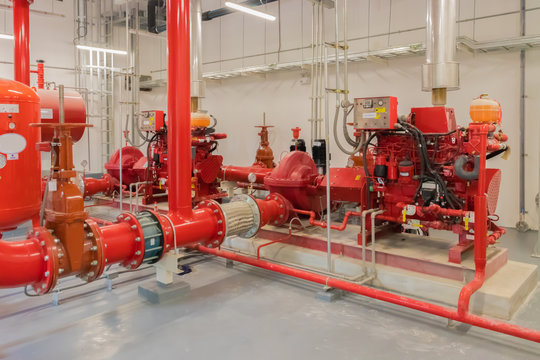
Main fire pump
Diesel engine fire pump
Jockey pump
Pump control panels
Hydrant piping
Landing/ Hydrant valves
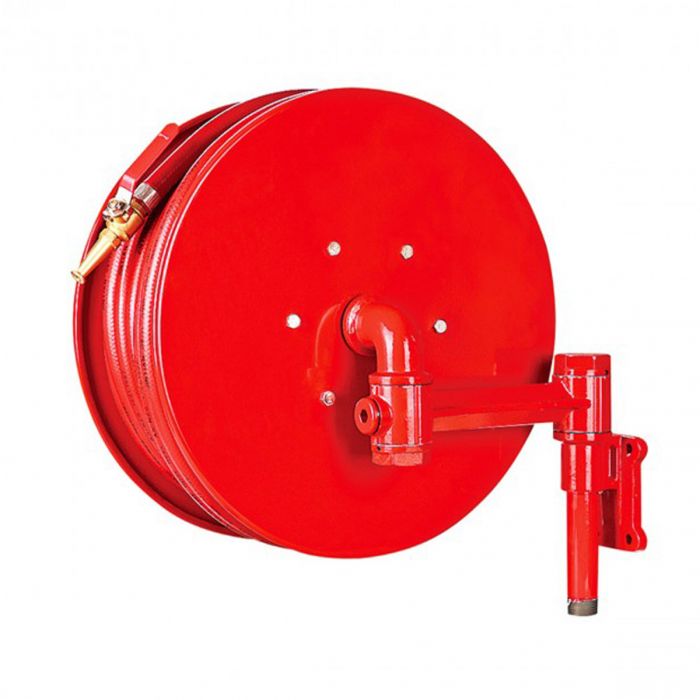
Hose reels
Fire hoses
Branch pipes and nozzles
Fire brigade inlet connections
Air release valves
Drain valves
Isolation valves
Pressure gauges
Flow switches and other instrumentation
Hydrant cabinets/hose boxes
Pipe support and Accessories
| Specification | Details |
|---|---|
| System Type | Fire Hydrant Protection System |
| Hydrant Type | Internal & External Hydrants |
| Operating Pressure | As per system design |
| Water Supply | Dedicated Fire Water Tank |
| Pump Type | Main Pump, Jockey Pump & Standby Pump |
| Piping Material | MS / GI Pipes |
| Hydrant Valve | Gunmetal / Stainless Steel |
| Hose Type | Fire Hose Reel / Hose Pipe |
| Hose Length | As per project requirements |
| Nozzle Type | Fire Hose Nozzle |
| Installation | Wall-Mounted / Outdoor |
| Application | Commercial, Industrial & Residential Buildings |
| Standards | Applicable NBC & Relevant IS Standards |
*Values vary by project and selected model — final specification is confirmed at the time of quotation based on site requirements.
A fire water pump is a vital component of a fire protection system that delivers water at the required flow rate and pressure.
A fire water pump is a vital component of a fire protection system that delivers water at the required flow rate and pressure to fire hydrant systems, sprinkler systems, and standpipe networks.
It draws water from a dedicated tank, reservoir, or other approved water source and ensures an adequate water supply during fire emergencies.
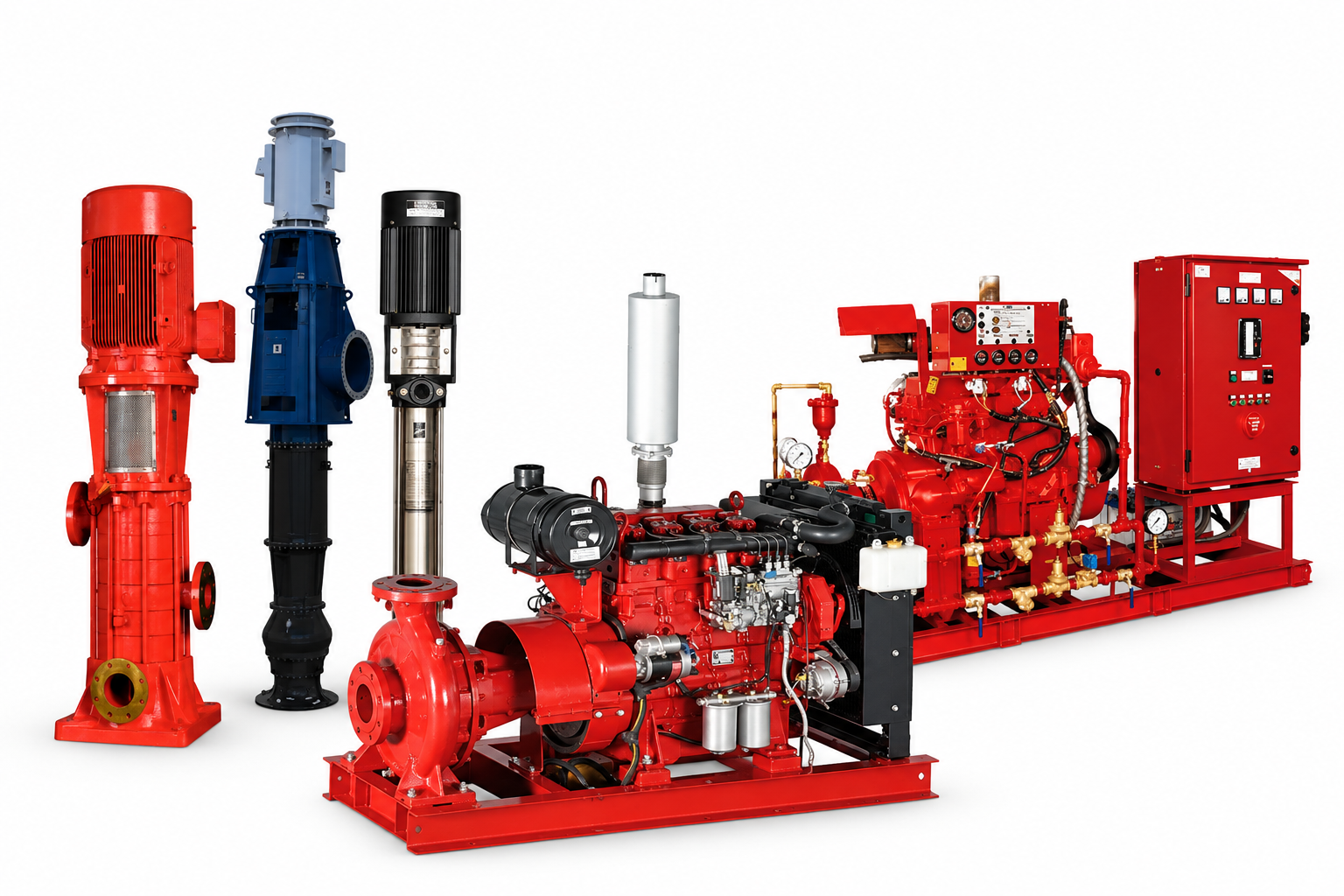
Fire water pumps generally operate on two principles:
Use a rotating impeller to increase water velocity and convert it into pressure, delivering high water flow for firefighting systems.
Move a fixed volume of fluid with each operating cycle and are used in specialized applications, such as foam concentrate and certain water mist systems.
Fire pumps are typically driven by electric motors or diesel engines, depending on system requirements and applicable fire safety standards.
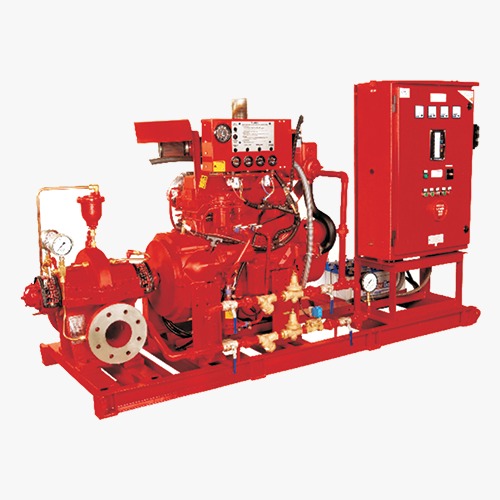
Suitable for high-flow applications in large commercial and industrial buildings.
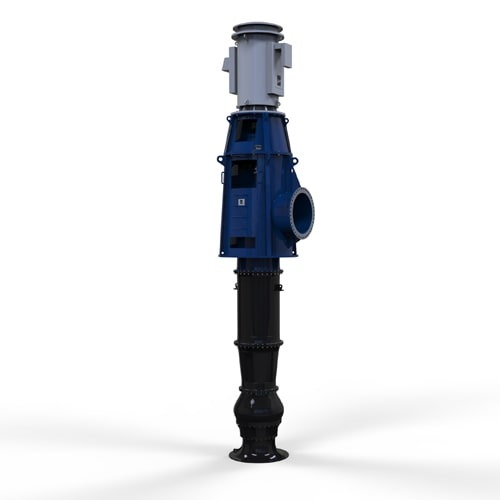
Designed to draw water from below-ground or other suitable water sources.
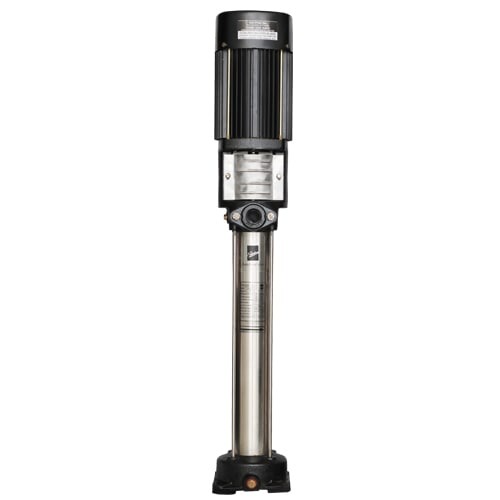
Compact pumps ideal for installations with limited floor space.
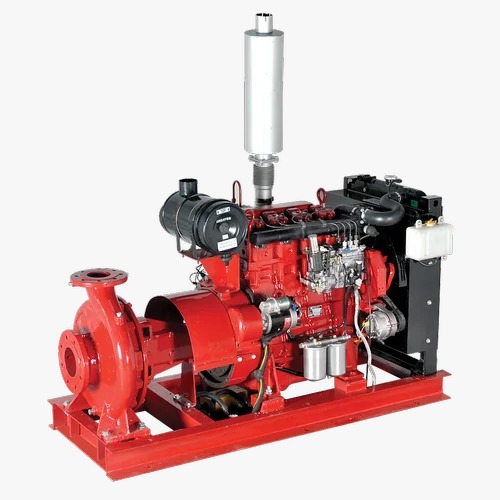
Space-saving pumps suitable for various fire protection applications.
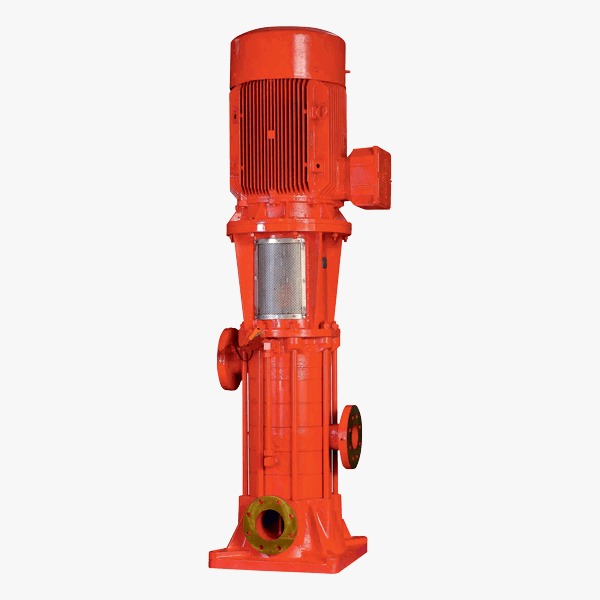
Use multiple impellers to achieve higher pressure requirements.
Efficient and convenient where a reliable power supply is available.
Provide an alternative drive arrangement when electrical power is unavailable or unsuitable.
Used in specialized installations where appropriate steam infrastructure exists.
Selecting the right fire pump is essential for ensuring adequate water flow and pressure throughout the fire protection network. Selection depends on the system's hydraulic demand, required flow rate, pressure, suction conditions, and applicable fire safety standards.
Proper sizing and installation help prevent insufficient water pressure, excessive system pressure, and pump cavitation.
A reliable fire water pump system is essential for effective fire protection in residential buildings, commercial complexes, industrial facilities, hospitals, hotels, and warehouses.
Right Safety Solution Pvt. Ltd. provides fire pump system solutions, including supply, installation, testing, commissioning, and maintenance.
Share your flow, head, and site details — we'll recommend the right model and configuration.
Request a Quote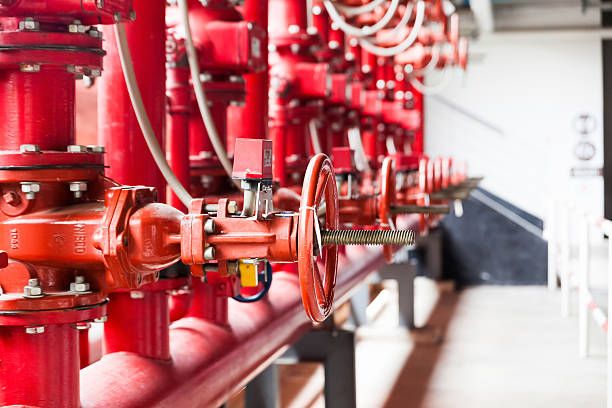
Description goes here...