
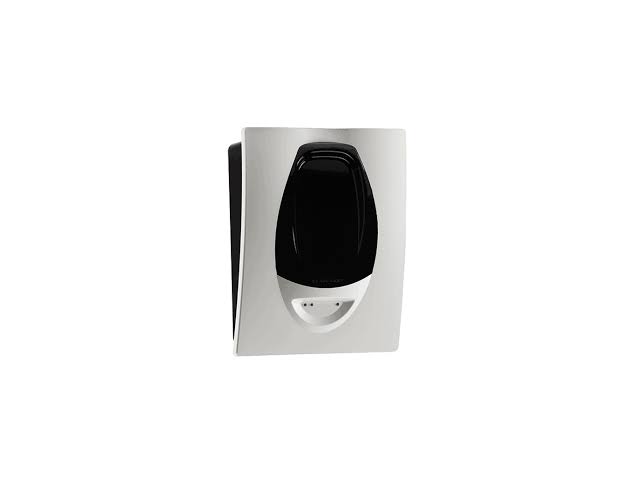
Linear beam detectors for protecting large open areas.
A Beam Detector System is a specialized fire detection solution designed to detect smoke across large, open, and high-ceiling areas. It is commonly used in warehouses, factories, shopping malls, airports, exhibition halls, industrial buildings, and other facilities where installing a large number of conventional point smoke detectors may be difficult or impractical.
A beam detector typically works by transmitting a beam of infrared light between a transmitter and a receiver, or by using a combined transmitter-receiver unit with a reflector. When smoke enters the path of the light beam, it reduces the amount of light reaching the receiver. The detector monitors this change and activates an alarm when the signal reduction meets its configured detection criteria.
Beam detector systems are designed to provide effective smoke detection over long distances and across large areas. They can help simplify fire detection arrangements in buildings with high ceilings, open floor plans, and extensive storage spaces.
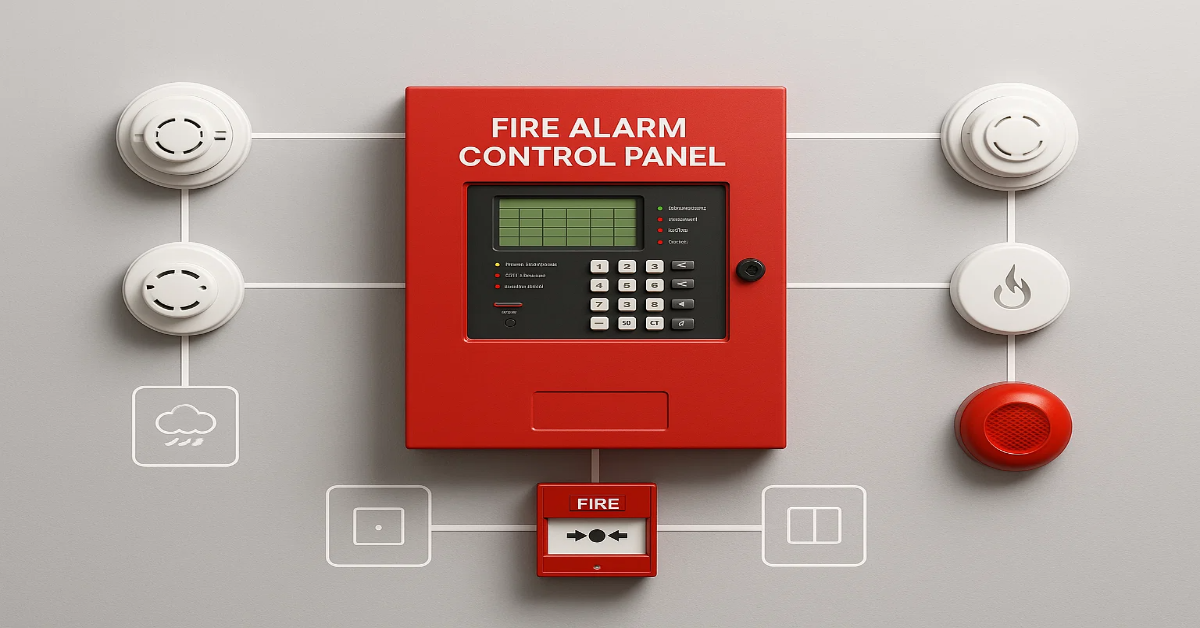
Depending on the system design, beam detectors can be connected to conventional or addressable fire alarm control panels. When smoke is detected, the system sends an alarm signal to the control panel, which activates the configured alarm notification devices.
A beam detector system works by monitoring the transmission of light across a protected area. In a typical projected-beam arrangement, the transmitter sends an infrared light beam toward a receiver or reflector positioned at the opposite end of the detection path.
Under normal conditions, the receiver detects the expected light signal. When smoke enters the beam path, it obscures or scatters some of the light, reducing the signal received by the detector.
If the reduction reaches the detector's configured alarm threshold for the required period, the system generates a fire alarm signal. This signal is communicated to the fire alarm control panel, which activates the appropriate notification devices according to the system configuration.
Beam detectors may also monitor certain abnormal conditions, such as a blocked beam, misalignment, or loss of signal. Depending on the detector model, these conditions may generate a fault or trouble indication rather than a fire alarm.
This operating principle allows beam detectors to monitor broad areas without requiring a separate point detector at every location along the beam path.
Beam detectors are available in different configurations to suit building layouts and installation requirements.
A reflective beam detector uses a single detector unit and a reflector positioned at the opposite end of the protected area. The detector transmits a light beam toward the reflector and receives the returned signal.
When smoke enters the beam path, the amount of returned light decreases. The detector evaluates this change and activates an alarm when the configured criteria are met.
Reflective beam detectors are often selected because they can simplify installation and reduce the amount of wiring required at the far end of the beam path.
An end-to-end beam detector uses separate transmitter and receiver units installed opposite each other. The transmitter sends the light beam directly to the receiver.
When smoke interferes with the beam, the receiver detects a reduction in signal strength and communicates the relevant condition to the fire alarm system.
This arrangement may be suitable for particular applications where the building layout or system design supports separate transmitter and receiver units.
Some beam detector models include motorized or automatic alignment functions. These features help the detector establish and maintain its optical alignment within the manufacturer's specified operating limits.
Automatic alignment can simplify commissioning and help compensate for certain minor changes in alignment. However, the system still requires suitable mounting, correct installation, and periodic inspection.
Certain beam detectors are designed for longer detection paths or challenging high-ceiling environments. Their operating distance, sensitivity, mounting requirements, and suitability depend on the specific model and the manufacturer's specifications.
The detector must always be selected according to the size and characteristics of the protected space.
Beam detectors are particularly useful in large spaces where a smoke detection solution must cover extensive floor areas and long distances. They are commonly considered for warehouses, industrial halls, and large commercial buildings.
In buildings with high ceilings, conventional point detectors may be difficult to install, access, and maintain. Beam detectors can provide an alternative where permitted by the building design and applicable standards.
In suitable applications, fewer detection units may be required compared with a design based entirely on point detectors. This can help simplify installation, but the actual cost and quantity depend on the coverage requirements and system design.
Reflective beam detectors generally use a detector unit at one end and a reflector at the other. This arrangement can reduce the need for electrical wiring at the reflector location.
When connected to a fire alarm control panel, beam detectors can provide alarm and fault information through the building's central fire safety system.
Beam detection can be useful in facilities with open layouts, high storage racks, or large roof structures where suitable optical paths can be established.
Depending on the product, beam detectors can be integrated into conventional or addressable fire alarm systems using compatible wiring and interfaces.
Correct installation is essential for reliable beam detection. The process begins with a site survey to assess the building dimensions, ceiling height, structural layout, airflow conditions, environmental factors, and potential obstructions.
Suitable mounting positions are selected so that the optical beam can cross the intended protected area without interference from structural elements, storage arrangements, or other obstacles.
For reflective systems, the detector and reflector are installed opposite each other according to
Covers large areas with a single unit;
Reduced installation points;
Auto alignment and sensitivity setting;
Suitable for high ceilings;
Low maintenance
| Parameter | Specification |
|---|---|
| Standard | EN 54-12 |
| Range | 5 – 100 m |
| Mounting Height | Up to 25 m |
| Sensitivity | Adjustable |
| Output | Alarm / Fault relay |
| Supply | 24 V DC |
*Values vary by project and selected model — final specification is confirmed at the time of quotation based on site requirements.
Share your flow, head, and site details — we'll recommend the right model and configuration.
Request a Quote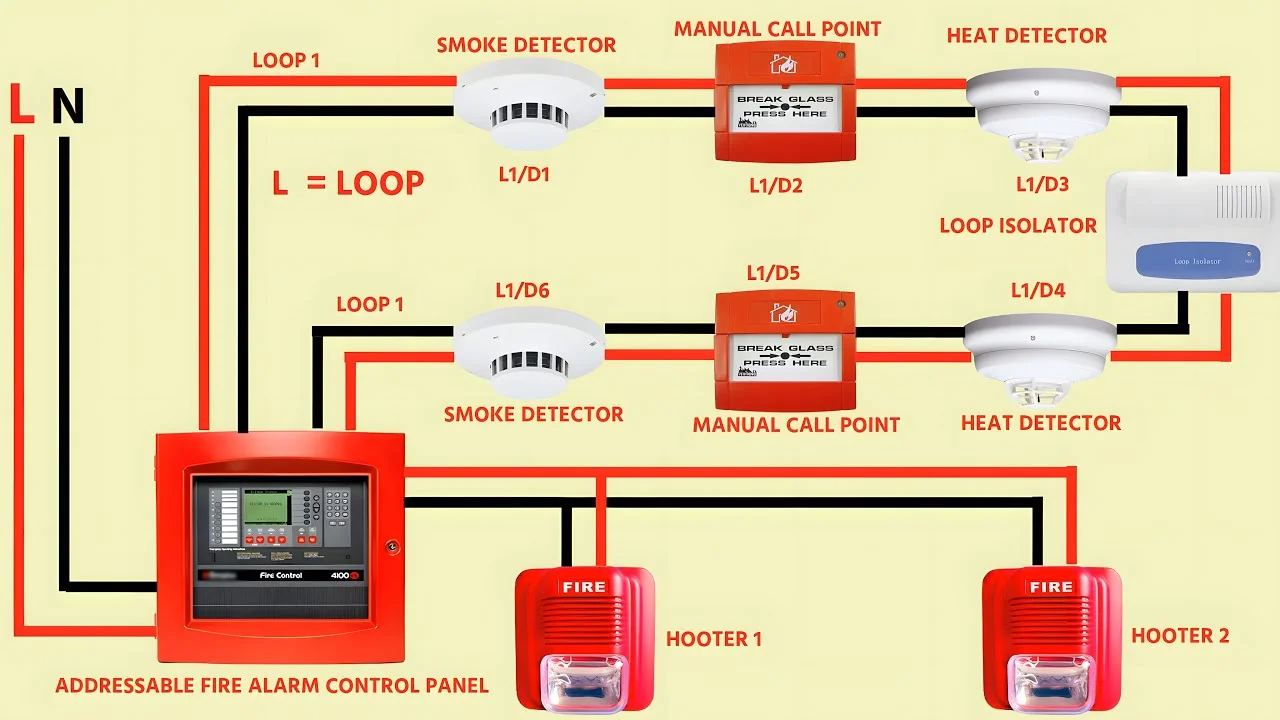
Description goes here...