
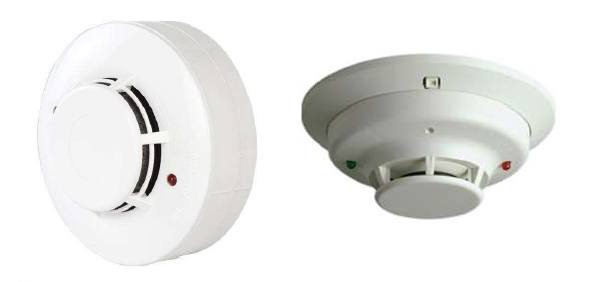
Early detection of smoke and temperature rise to trigger alarm.
Smoke and Heat Detection is an essential part of a fire alarm and fire protection system designed to identify the early signs of a fire and provide timely warnings to building occupants. These detection systems help protect people, property, equipment, and business operations by detecting smoke particles or abnormal temperature changes before a fire spreads further.
Smoke detectors identify the presence of smoke in the surrounding environment, while heat detectors respond to a specified temperature threshold or a rapid rise in temperature, depending on the detector type. Both technologies play an important role in improving fire safety across commercial buildings, industrial facilities, offices, hospitals, hotels, warehouses, residential complexes, and other premises.
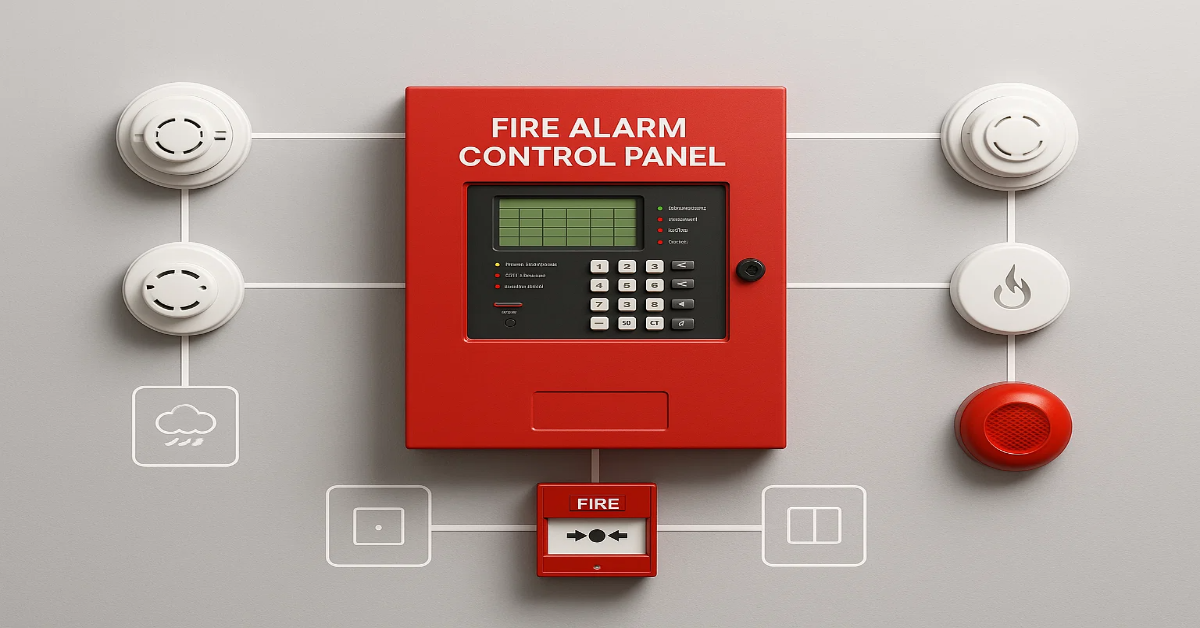
Smoke and heat detection devices can be connected to conventional or addressable fire alarm systems, depending on the system design and application requirements. When a detector identifies a potential fire condition, it sends a signal to the fire alarm control panel, which can activate sounders, hooters, visual alarm devices, and other configured safety equipment.
A properly designed smoke and heat detection system provides early warning, supports emergency evacuation, and helps reduce the risk of serious injury and property damage.
Smoke detection works by identifying smoke particles produced during the early stages of a fire. When smoke enters the sensing chamber of a smoke detector, the device detects the change and generates an alarm signal when its activation criteria are met.
Different types of smoke detectors use different sensing technologies. Optical smoke detectors commonly use light-scattering technology to identify smoke particles. Other detector technologies may use different principles to detect smoke, depending on the application and product design.
Once smoke is detected, the detector sends a signal to the connected fire alarm control panel. The panel processes the signal and activates the configured alarm notification devices to alert occupants and initiate the appropriate emergency response.
Smoke detectors are commonly installed in offices, corridors, bedrooms, commercial spaces, and other suitable indoor areas. Their location and type should be selected according to the building layout, environmental conditions, manufacturer's instructions, and applicable fire safety standards.
Heat detection identifies abnormal temperature conditions that may indicate a fire. Heat detectors are designed to respond when the surrounding temperature reaches a specified threshold or when the temperature rises rapidly, depending on the detector's operating principle.
When the detector senses a qualifying heat condition, it sends an alarm signal to the fire alarm control panel. The panel then activates the connected alarm devices according to the system configuration.
Heat detectors are particularly useful in areas where smoke detectors may be unsuitable because of normal dust, steam, cooking fumes, or other environmental conditions. Examples can include certain kitchens, workshops, plant rooms, and industrial areas, subject to a proper fire risk assessment.
Heat detectors generally respond to fire conditions differently from smoke detectors. Therefore, selecting the correct detection technology is important for achieving suitable protection in each area.
Smoke detectors are available in different types to suit different fire risks and environmental conditions.
Optical smoke detectors, also known as photoelectric smoke detectors, use a light source and a sensing element to detect smoke particles. When smoke enters the sensing chamber, it changes the light reaching the sensor and can trigger an alarm.
These detectors are widely used in offices, hotels, corridors, residential buildings, and other indoor locations where suitable smoke detection is required.
Ionization smoke detectors use a small ionization chamber to detect changes caused by smoke particles. They have traditionally been used for detecting certain types of fast-flaming fires. Their use is subject to local regulations, product availability, and applicable restrictions.
Detector selection should consider the expected fire characteristics, the environment, and the relevant fire safety requirements.
Aspirating smoke detection systems actively draw air through a network of sampling pipes and analyze it for smoke particles. Depending on the model and design, these systems can provide highly sensitive smoke detection.
They are often used in data centers, telecommunications facilities, clean rooms, critical infrastructure, and other areas where very early smoke detection may be required.
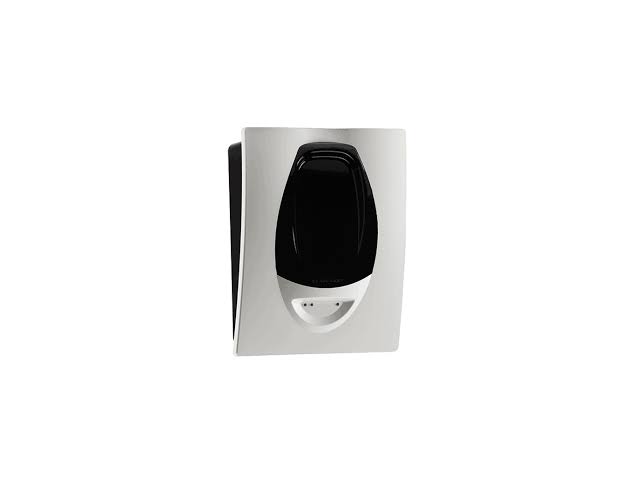
Beam smoke detectors use a projected light beam between a transmitter and a receiver, or an equivalent optical arrangement, to detect smoke across a protected area. Smoke entering the beam path changes the received signal and may trigger an alarm.
They can be suitable for certain large, open spaces, such as warehouses, industrial buildings, atriums, and high-ceiling areas, when properly designed and installed.
Heat detectors are selected according to the expected temperature conditions, fire risks, and environmental requirements.
Fixed temperature heat detectors activate when the surrounding temperature reaches a predetermined threshold. They are useful in locations where a particular temperature limit provides an appropriate indication of a potential fire.
Rate-of-rise heat detectors respond to a rapid increase in temperature over a specified period. This allows them to detect certain developing fire conditions even before a fixed temperature threshold is reached.
These detectors combine fixed temperature and rate-of-rise detection functions in one device. Their operation depends on the specific product design and configuration.
Linear heat detection systems use a sensing cable or other linear sensing technology to monitor temperature along a defined route or protected area. Depending on the technology, they can identify overheating or fire-related temperature conditions along the cable.
They are used in selected applications such as cable trays, tunnels, conveyor systems, industrial equipment, and other locations where point detectors may not provide suitable coverage.
Smoke detection and heat detection both help identify fire conditions, but they respond to different indicators.
Smoke detectors identify smoke particles and can provide early warning when a fire produces detectable smoke. Heat detectors respond to temperature thresholds or rapid temperature increases, depending on the detector type.
Smoke detection is often appropriate for offices, corridors, bedrooms, and many other indoor areas. Heat detection can be more suitable in selected locations with dust, steam, cooking fumes, or other environmental factors that may affect smoke detectors.
Neither technology is universally better than the other. The appropriate choice depends on the anticipated fire characteristics, environmental conditions, occupancy, and applicable safety standards. In many buildings, both technologies are used together to provide suitable protection across different areas.
Proper installation is essential for the reliable operation of a smoke and heat detection system. The process begins with a site assessment to identify fire hazards, building layout, ceiling height, airflow patterns, environmental conditions, and applicable regulatory requirements.
Based on this assessment, qualified professionals select the appropriate detector types and determine their installation locations. Detectors are then installed and connected to a compatible fire alarm control panel according to the manufacturer's instructions and approved design.
The completed installation should be tested and commissioned to confirm that the detectors respond correctly, signals reach the control panel, and the required alarm notification devices operate as intended. Any integrated interfaces should also be tested where applicable.
Detector placement should not be based solely on convenience. It must follow the relevant standards, manufacturer instructions, building design, and the specific fire safety requirements of the premises.
Regular inspection and testing help ensure that smoke and heat detectors remain operational and capable of providing appropriate warnings.
Maintenance activities may include checking detector condition, testing detector response using approved methods, inspecting wiring and connections, verifying control panel indications, checking alarm sounders, and examining backup batteries.
Dust, contamination, physical damage, unsuitable environmental conditions, or unauthorized changes can affect detector performance. Detectors should be cleaned, tested, repaired, or replaced according to manufacturer recommendations and applicable regulations.
Any fault or impairment should be addressed promptly by qualified personnel. Inspection and testing records should be maintained to support ongoing fire safety management.
Selecting a reliable smoke and heat detection solution helps improve the overall fire safety arrangements of a building. The right combination of detectors can provide suitable warning across different areas while reducing problems caused by inappropriate detector selection or environmental conditions.
A well-designed system considers the building's occupancy, fire risks, equipment requirements, and future operational needs. It also includes compatible alarm equipment, suitable backup power, professional installation, and a planned maintenance schedule.
Working with qualified fire safety professionals helps ensure that the selected detection system meets the required performance criteria and complies with applicable fire safety regulations.
Smoke and heat detection systems are essential components of modern fire protection. By identifying smoke particles or abnormal temperature conditions, these systems help provide early warnings, support emergency evacuation, and reduce the potential impact of fire on people and property.
Smoke detectors are particularly useful where early smoke detection is required, while heat detectors offer an effective option for selected environments where temperature-based detection is more suitable. When correctly selected, installed, integrated, and maintained, both technologies contribute to a comprehensive fire safety strategy.
Investing in a properly designed smoke and heat detection system helps improve fire preparedness and supports a safer environment across commercial, industrial, residential, and institutional premises.
Early warning of fire;
Low false alarm design;
Suitable for ceiling mount;
Dust-proof sensing chamber;
Addressable and conventional models
| Parameter | Specification |
|---|---|
| Standard | EN 54-7 / EN 54-5 |
| Detector Types | Photoelectric smoke, fixed / ROR heat |
| Operating Voltage | 9 – 33 V DC |
| Coverage Area | 60 – 80 m² (smoke) |
| Indication | LED |
| Base | Standard detector base |
*Values vary by project and selected model — final specification is confirmed at the time of quotation based on site requirements.
Share your flow, head, and site details — we'll recommend the right model and configuration.
Request a Quote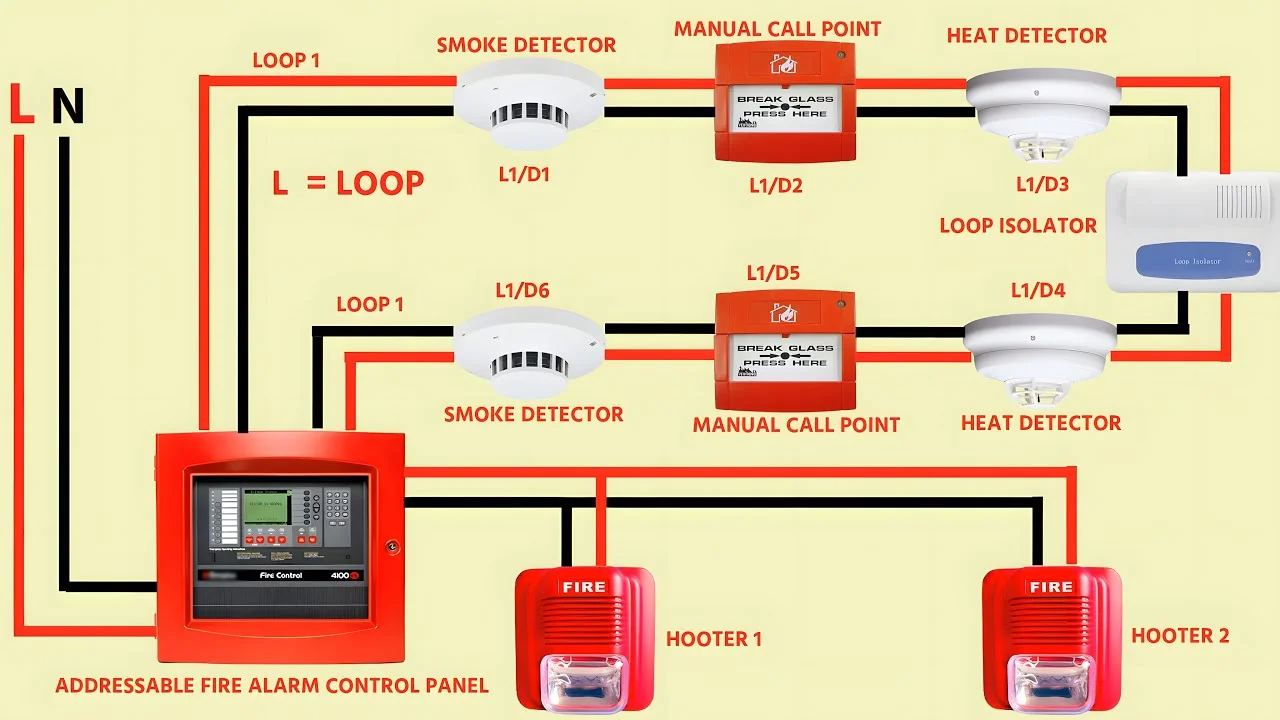
Description goes here...