
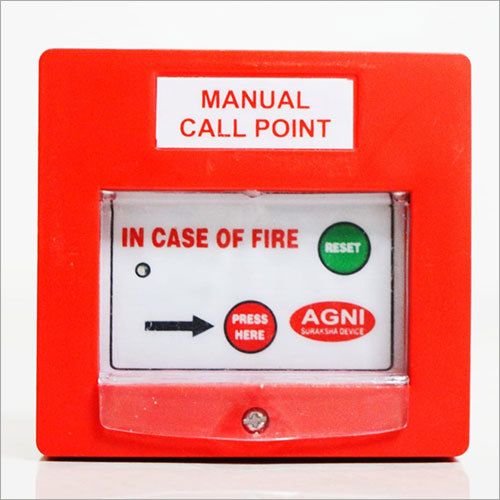
Break-glass call points for manual raising of fire alarm.
A Manual Call Point (MCP) is an essential component of a fire alarm system that allows people to manually activate a fire alarm when they discover a fire or suspect a fire emergency. It is designed to provide a quick and accessible way to alert building occupants, safety personnel, and emergency response teams about a potential fire hazard.
Manual call points are commonly installed in commercial buildings, offices, factories, warehouses, hospitals, hotels, shopping malls, schools, and residential complexes. They are generally positioned along escape routes, near exits, and at other designated locations where people can easily access them during an emergency.
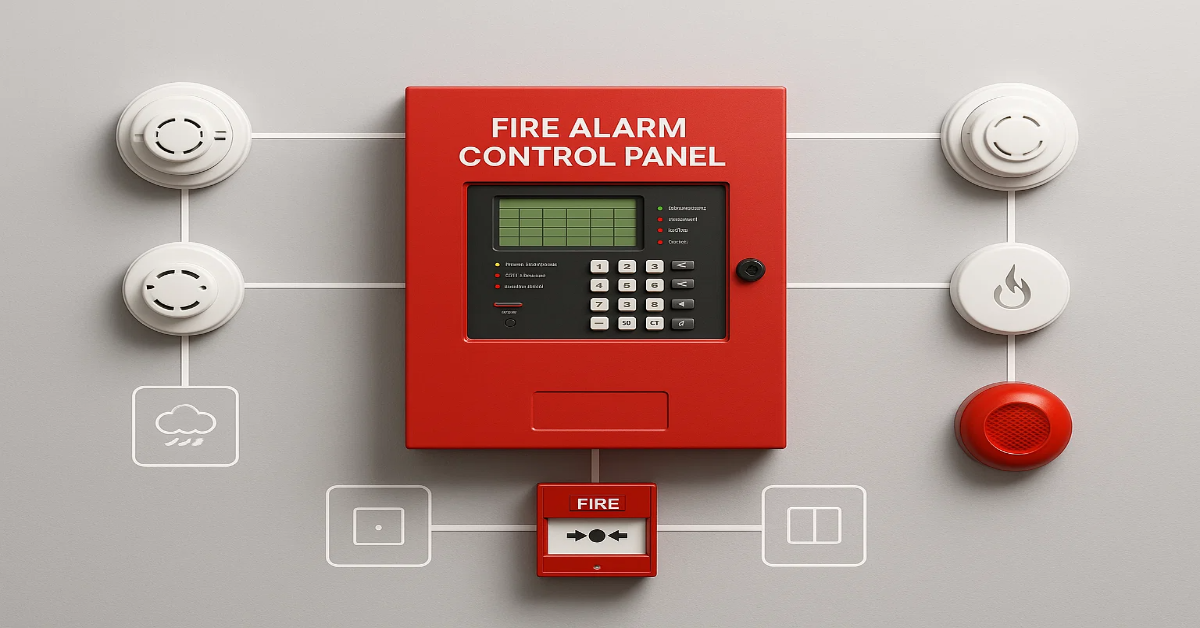
When a person operates a manual call point, the device sends an alarm signal to the connected fire alarm control panel. The control panel processes the signal and activates the configured alarm notification devices, such as sounders, hooters, and visual alarms, to warn occupants and support emergency evacuation.
Manual call points are available in different designs, including resettable and break-glass types. Depending on the fire alarm system, they can be connected to conventional or addressable control panels.
A properly installed manual call point provides an important additional layer of fire protection by allowing people to raise an alarm immediately without waiting for automatic smoke or heat detectors to respond.
A manual call point operates through a simple mechanism that allows a person to initiate a fire alarm manually. Under normal conditions, the device remains in its standby state and is connected to the building's fire alarm system.
When someone discovers a fire, they operate the manual call point by pressing its activation element or breaking the designated frangible element, depending on the device design. This changes the electrical state of the device and sends an alarm signal to the fire alarm control panel.
The control panel identifies the alarm condition and activates the configured notification devices. These may include audible sounders, hooters, flashing beacons, and other compatible alarm outputs.
In an addressable fire alarm system, an addressable manual call point can provide individual device identification, helping the control panel indicate the specific location of the activated unit. In a conventional fire alarm system, the panel generally identifies the zone in which the manual call point is connected.
Once the emergency has been addressed, the manual call point can be reset according to the manufacturer's instructions and the building's fire safety procedures. The fire alarm control panel may also require a separate authorized reset before the system returns to its normal condition.
Manual call points are available in different designs to suit fire alarm system requirements and installation environments.
A conventional manual call point is connected to a designated detection zone of a conventional fire alarm control panel. When activated, it sends a signal that allows the panel to identify the affected zone.
These devices are commonly used in smaller commercial buildings, offices, shops, schools, and other premises where conventional fire alarm systems are suitable.
An addressable manual call point has a unique address within a compatible addressable fire alarm system. When activated, it communicates its alarm condition to the control panel, which can identify the individual device and its programmed location.
Addressable manual call points are frequently used in large buildings, industrial facilities, hospitals, hotels, and other premises that require detailed alarm location information.
A resettable manual call point uses a reusable operating element that changes state when activated. After the incident has been investigated and the device is cleared for reuse, it can be reset according to the manufacturer's instructions.
This design avoids the need to replace a glass element after every activation.
A break-glass manual call point uses a frangible element that is broken or operated to activate the alarm. Some modern models use a specially designed breakable plastic element rather than traditional glass.
The operating method depends on the product design, and the device must be reset or have its operating element replaced as instructed by the manufacturer.
Weatherproof manual call points are designed for locations where the equipment may be exposed to moisture, dust, or other environmental conditions. Their suitability depends on the specified ingress protection rating, temperature limits, and installation requirements.
They may be used in selected outdoor areas, loading bays, industrial premises, and other locations requiring environmental protection.
Some manual call points are supplied with an additional protective cover to help reduce accidental activation or protect the operating element from physical damage. The cover must not prevent quick access or interfere with the intended operation of the device.
A manual call point allows people to report a fire as soon as they discover it. This can be especially important when a fire has not yet produced enough smoke or heat to activate an automatic detector.
By enabling rapid alarm activation, manual call points support timely warnings and help occupants follow the building's evacuation procedures.
Manual call points are designed to be straightforward to operate. Clear markings and accessible installation locations help people identify and use them during an emergency.
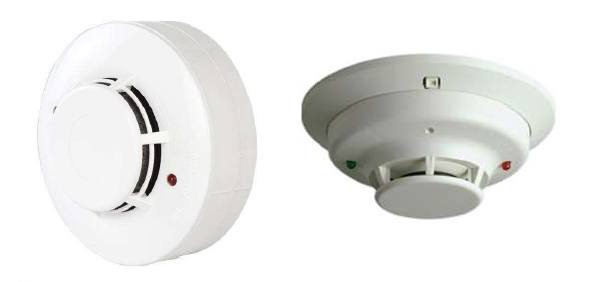
Manual call points complement automatic smoke and heat detectors. They provide a separate way to initiate an alarm when a person notices a fire or another emergency condition.
Manual call points can be installed in offices, factories, hospitals, schools, warehouses, hotels, shopping centers, and many other types of buildings.
When an addressable manual call point is activated, the control panel can identify the individual device and its programmed location, helping safety personnel respond more efficiently.
Compatible manual call points can be integrated into conventional and addressable fire alarm systems, depending on the device specifications and control panel requirements.
Correct installation is essential to ensure that a manual call point can be found and operated quickly during an emergency. The installation process begins with a review of the building layout, escape routes, occupancy, fire risk assessment, and applicable regulations.
Manual call points are generally positioned along designated escape routes, near exits, and at other required locations where people can access them without unnecessary delay. Their mounting height, spacing, visibility, and accessibility must comply with the applicable standards and local requirements.
The device is securely mounted and connected to the compatible fire alarm control panel using the specified wiring arrangement. The installer then verifies the device's operation, alarm signal transmission, control panel indication, and activation of the required notification devices.
After installation, the system should be commissioned and documented by qualified personnel. Any protective cover or accessory must be installed so that it does not obstruct or delay emergency operation.
Regular inspection and testing help ensure that manual call points remain accessible and operational.
Maintenance activities include checking the housing for physical damage, confirming that the device is clearly visible, ensuring that access is not obstructed, and testing activation using the manufacturer's approved procedure.
Technicians should verify that the control panel receives the correct alarm signal and that the configured notification devices operate as intended. For addressable systems, the device's programmed location and identification should also be checked.
Resettable devices must be restored correctly after testing. Break-glass or frangible-element models may require replacement of the operating element after activation. Any defective device, wiring fault, or abnormal indication should be investigated and corrected promptly.
All inspection and testing should follow the manufacturer's recommendations and applicable fire safety regulations, with suitable records maintained.
A reliable manual call point is an important part of an effective fire alarm system because it allows people to report fire emergencies directly. Choosing a suitable device helps ensure that alarm activation is simple, the equipment is compatible with the control panel, and the device remains functional under the conditions in which it is installed.
Important considerations include the type of fire alarm system, environmental conditions, ease of operation, mounting requirements, reset method, and relevant certification or compliance requirements.
Working with qualified fire safety professionals helps ensure that manual call points are correctly selected, installed, tested, and maintained as part of the overall fire protection strategy.
A Manual Call Point (MCP) is a vital fire alarm device that allows people to manually raise an alarm when they discover a fire or emergency. By sending an activation signal to the fire alarm control panel, it helps alert building occupants and supports a timely emergency response.
Available in conventional, addressable, resettable, break-glass, and weatherproof designs, manual call points can be adapted to a wide range of commercial, industrial, residential, and public buildings.
When correctly selected, strategically installed, and regularly tested, a manual call point provides an important additional layer of fire protection. It complements automatic smoke and heat detection systems and contributes to a safer environment for people, property, and business operations.
Quick manual alarm activation;
Resettable element option;
Clear visible red housing;
Surface / flush mount;
Addressable and conventional versions
| Parameter | Specification |
|---|---|
| Standard | EN 54-11 |
| Type | Break glass / Resettable |
| Housing | Red ABS |
| Ingress Protection | IP24 (indoor) / IP67 (outdoor) |
| Mounting | Surface / Flush |
| Mounting Height | 1.4 m from floor |
*Values vary by project and selected model — final specification is confirmed at the time of quotation based on site requirements.
Share your flow, head, and site details — we'll recommend the right model and configuration.
Request a Quote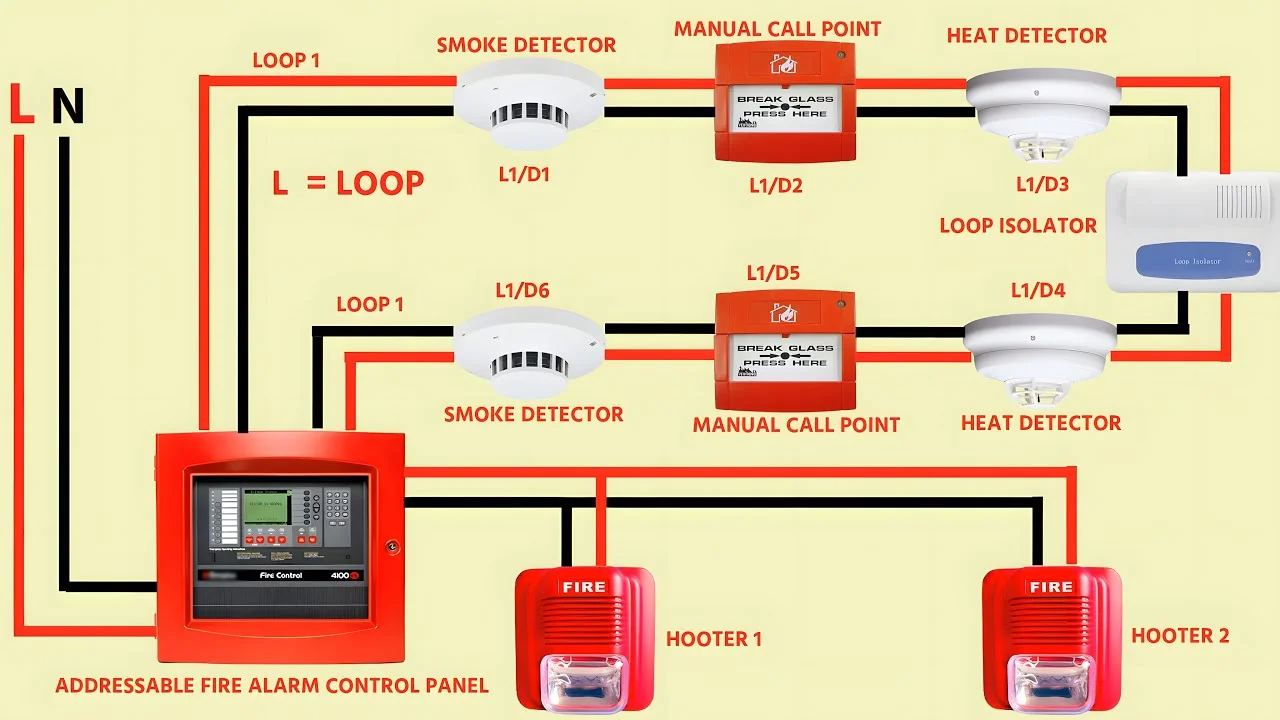
Description goes here...