
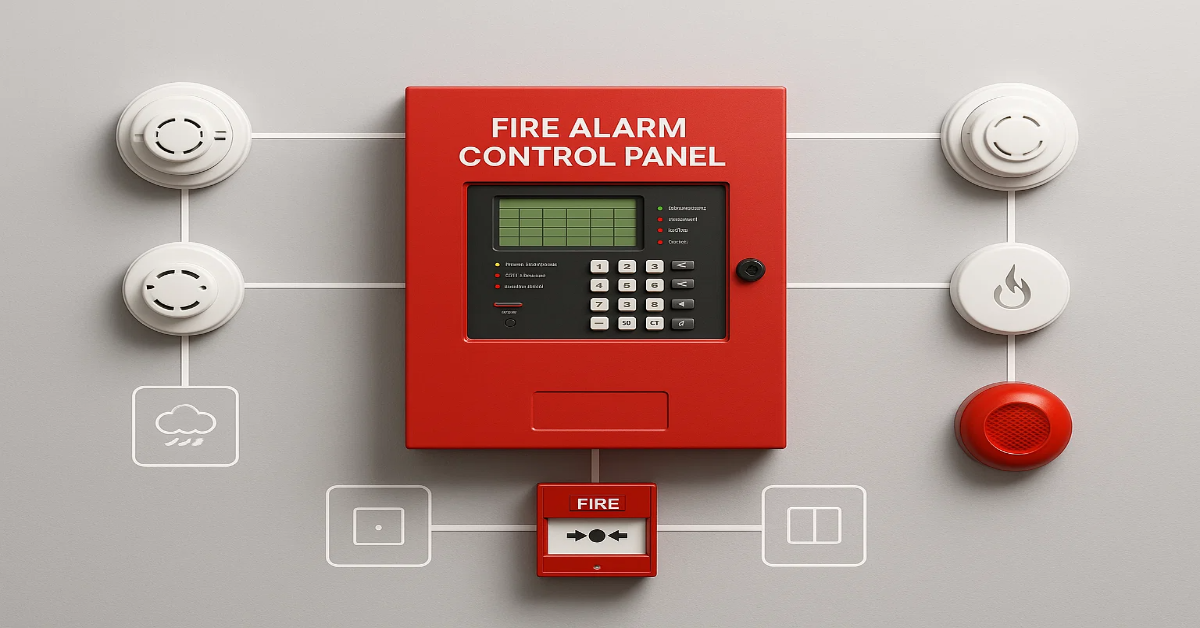
Cost-effective zone-based fire alarm for small and medium premises.
A Conventional Fire Alarm System is a fire detection and alarm system designed to detect smoke, heat, or other signs of fire and alert building occupants through audible and visual alarm devices. It is commonly used in small and medium-sized buildings, offices, shops, schools, warehouses, residential buildings, and other premises where a simple and effective fire detection solution is required.
A conventional fire alarm system divides a building into different detection zones. Each zone consists of one or more fire detection devices, such as smoke detectors, heat detectors, and manual call points, connected to a fire alarm control panel through designated circuits. When a detector senses a potential fire or someone activates a manual call point, the control panel receives the signal and activates the alarm.
Unlike an addressable fire alarm system, a conventional system generally identifies the zone in which the alarm has occurred rather than displaying the exact individual detector. This helps building occupants and safety personnel identify the general location of a potential fire and take appropriate action.
A conventional fire alarm system is a practical choice for buildings that require dependable fire detection, straightforward operation, and a cost-effective fire safety solution.
A conventional fire alarm system operates through a network of detectors, manual call points, alarm devices, and a central fire alarm control panel. The building is divided into zones according to its layout and fire safety requirements. Each zone is connected to a dedicated detection circuit monitored by the control panel.
When a smoke detector detects smoke or a heat detector responds to a specified temperature condition, it sends an alarm signal through its zone circuit. The control panel identifies the affected zone and activates the configured alarm notification devices, such as sounders, hooters, and visual indicators.
If a person discovers a fire, they can also activate a manual call point to raise the alarm. The system then alerts occupants so they can follow the building's emergency evacuation procedures.
The control panel can also indicate certain system faults, such as open-circuit or short-circuit conditions, depending on the system design and equipment used. This allows maintenance personnel to investigate problems and restore the system to normal operation.
A conventional fire alarm system consists of several essential components that work together to provide fire detection and warning.
The fire alarm control panel is the central operating unit of the system. It receives signals from the connected detection zones, displays alarm and fault indications, and controls the alarm notification devices. The panel usually includes zone indicators, status lights, operating controls, and a power supply.
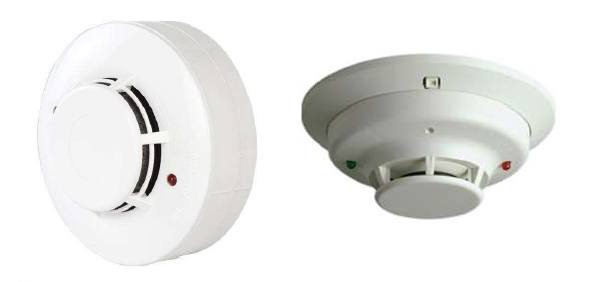
Smoke detectors identify the presence of smoke in the surrounding environment. They are commonly installed in offices, corridors, bedrooms, and other suitable areas where early smoke detection is required. Detector selection and placement depend on the environment and applicable fire safety standards.
Heat detectors respond to a predetermined temperature threshold or a rapid increase in temperature, depending on the detector type. They are often suitable for locations where smoke detectors may be affected by dust, steam, or other environmental conditions.
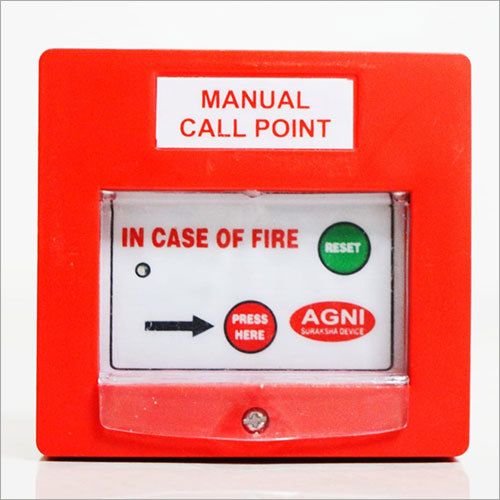
Manual call points allow occupants to activate the fire alarm manually when they discover a fire or another emergency condition. They are generally installed near exits, escape routes, and other accessible locations in accordance with applicable regulations.
Alarm sounders and hooters produce audible warnings when a fire alarm is activated. Their purpose is to alert people inside the building so that they can respond quickly and evacuate when required.
Visual alarm devices, including flashing beacons, provide visible warnings during an emergency. They can be particularly useful in noisy environments or locations where audible notifications may not be sufficient.
Zone wiring connects detectors and manual call points to the control panel. Each circuit represents a designated area of the building, allowing the panel to identify the zone from which an alarm signal originates.
The power supply provides the electrical power required for the system to operate. Backup batteries help maintain operation during a mains power failure, subject to the system's design and battery capacity requirements.
Conventional fire alarm systems are often an economical option for small and medium-sized buildings. Their relatively straightforward design can help control initial equipment and installation costs.
The system is generally easy to understand and operate. Zone indicators help users identify the affected part of a building without requiring advanced system programming or detailed device-level information.
When properly designed, installed, tested, and maintained, a conventional fire alarm system can provide effective detection and warning for suitable applications.
Conventional systems are commonly used in shops, small offices, schools, residential buildings, and other properties that do not require extensive individual device identification.
The system's relatively simple structure can make routine inspection and maintenance easier. Technicians can investigate the affected zone and check its connected devices and wiring.
When a detector or manual call point activates, the control panel can trigger the configured alarm devices to warn occupants and support timely emergency response.
For buildings with simple layouts and a manageable number of detection zones, conventional systems can provide a practical and efficient fire safety solution.
Conventional and addressable fire alarm systems are designed to detect fire and alert occupants, but they differ in how they identify the source of an alarm.
A conventional system identifies the zone where an alarm has occurred. An addressable system identifies the individual address of the device reporting the alarm, allowing more precise location information.
For example, if a detector activates in an office building, a conventional panel may indicate that the alarm is coming from the second-floor detection zone. An addressable panel can typically identify the specific detector or manual call point reporting the condition.
Conventional systems are often suitable for smaller buildings with simpler layouts, while addressable systems are frequently selected for larger or more complex premises that benefit from detailed monitoring and individual device identification.
The best option depends on the building layout, fire risk assessment, required functionality, budget, and applicable fire safety regulations.
Proper installation is essential for ensuring that a conventional fire alarm system functions correctly during an emergency. The process begins with a site survey to evaluate the building layout, occupancy, environmental conditions, potential fire hazards, and relevant fire safety requirements.
Based on this assessment, the building is divided into suitable detection zones. The installer determines the appropriate locations for the fire alarm control panel, smoke detectors, heat detectors, manual call points, sounders, and visual alarm devices.
The detection circuits are then wired and connected to the control panel according to the manufacturer's instructions. Suitable power supplies and backup batteries are installed, and the system is configured to provide the required alarm and fault indications.
After installation, qualified personnel should test and commission the complete system. Testing includes checking detector activation, manual call points, alarm sounders, zone indicators, fault monitoring, and backup power operation. Appropriate installation records and operating instructions should also be provided.
All installation work should comply with applicable fire safety standards, local regulations, and the manufacturer's specifications.
Regular inspection and maintenance are necessary to keep a conventional fire alarm system in reliable working condition. A poorly maintained system may fail to provide the required warning during a fire emergency.
Important maintenance activities include testing smoke and heat detectors, checking manual call points, inspecting alarm sounders, verifying zone indicators, checking the control panel, and examining the condition of wiring and electrical connections.
Backup batteries should be inspected and replaced when necessary. Any fault indication on the control panel should be investigated promptly, and repairs should be carried out by qualified personnel.
Routine testing and maintenance should follow the manufacturer's recommendations and applicable fire safety regulations. Records of inspections, faults, repairs, and testing should be maintained for future reference.
Selecting the right conventional fire alarm system requires careful consideration of the building's size, layout, occupancy, and fire risks.
The number of detection zones should be determined according to the building design and applicable requirements. Suitable smoke and heat detectors should be selected based on the environment in which they will operate. The control panel must support the required number of zones and compatible devices, while the alarm notification equipment must provide adequate warning throughout the protected areas.
It is also important to consider backup power, system reliability, maintenance requirements, and future building changes. For larger or more complex properties, an addressable system may offer more detailed device identification and improved monitoring capabilities.
A qualified fire safety professional can help determine the most suitable system based on the site's requirements and applicable standards.
A Conventional Fire Alarm System is a practical and cost-effective fire detection solution for buildings that require dependable zone-based monitoring and alarm notification. By using smoke detectors, heat detectors, manual call points, a central control panel, and alarm devices, the system helps identify potential fire incidents and alert occupants.
Its straightforward design, ease of operation, and suitability for smaller premises make it a useful option for many commercial, residential, educational, and other facilities. However, effective fire protection depends on proper system design, professional installation, regular maintenance, and compliance with applicable fire safety regulations.
Choosing a conventional fire alarm system that matches the building's requirements can help improve fire preparedness, support emergency evacuation, and protect people and property.
Economical and easy to install;
Simple operation;
Zone LED indication;
Battery backup;
Compatible with standard detectors
| Parameter | Specification |
|---|---|
| Standard | EN 54 / IS 2189 |
| Zones | 2 / 4 / 8 / 16 / 32 |
| Power Supply | 230 V AC with 24 V battery backup |
| Detectors per Zone | Up to 20 |
| Output | Sounder / relay |
| Cable | 2-core FRLS |
*Values vary by project and selected model — final specification is confirmed at the time of quotation based on site requirements.
Share your flow, head, and site details — we'll recommend the right model and configuration.
Request a Quote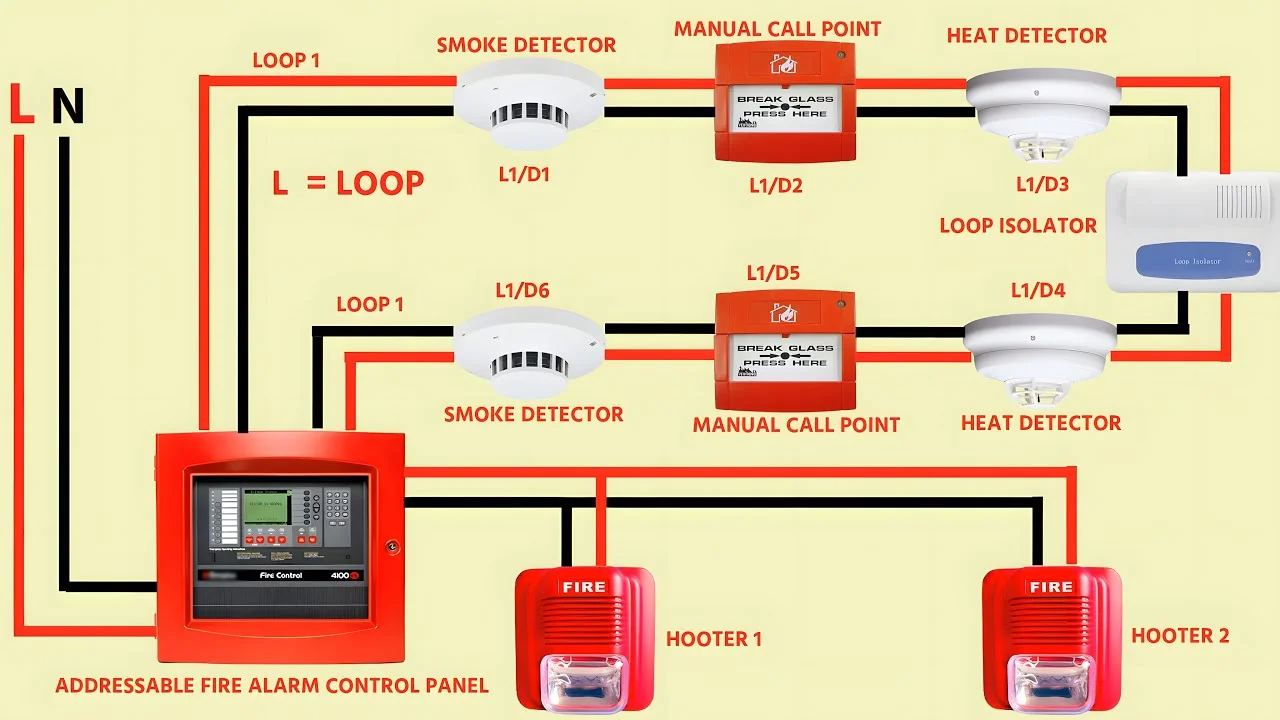
Description goes here...