
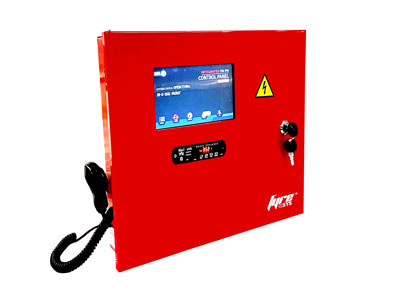
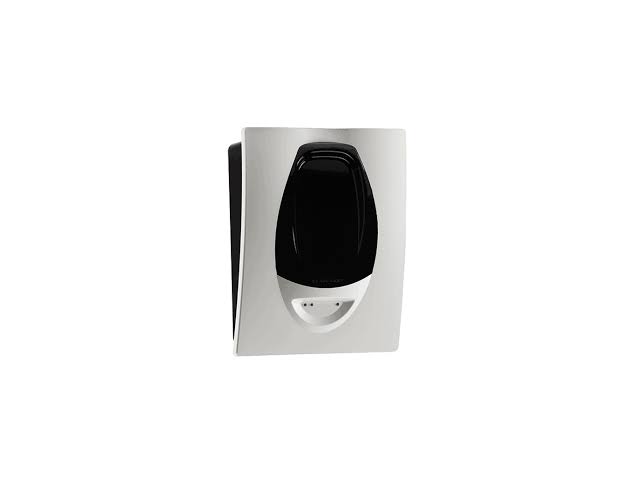
Remote display panel that mirrors the main fire alarm panel.
A Fire Alarm Repeater Panel is an important component of a fire alarm system that provides remote display and monitoring of fire alarm conditions from a main fire alarm control panel. It is designed to display essential system information, such as fire alarms, fault conditions, and other status indications, at locations away from the main control panel.
Repeater panels are commonly installed in large commercial buildings, hotels, hospitals, shopping malls, factories, warehouses, office complexes, educational institutions, and other premises where fire safety information needs to be accessible at multiple locations.
In large buildings, the main fire alarm control panel may be installed in a dedicated fire control room or another designated location. However, security personnel, facility managers, and emergency response teams may need access to alarm information at entrances, reception desks, security rooms, or other strategically selected locations. A repeater panel helps provide this information without requiring personnel to travel to the main control panel.
Depending on the system design, a fire alarm repeater panel can display the location of an alarm, the affected zone or device, system faults, and other available status information. Some models also provide limited control functions, while others are designed primarily for display and indication.
A properly installed fire alarm repeater panel improves access to fire safety information, supports faster emergency response, and helps building personnel monitor the fire alarm system more efficiently.
A fire alarm repeater panel works by communicating with the main fire alarm control panel through a compatible communication connection. The main control panel receives signals from connected detectors, manual call points, and other fire alarm devices. It processes these signals and shares relevant system information with the repeater panel.
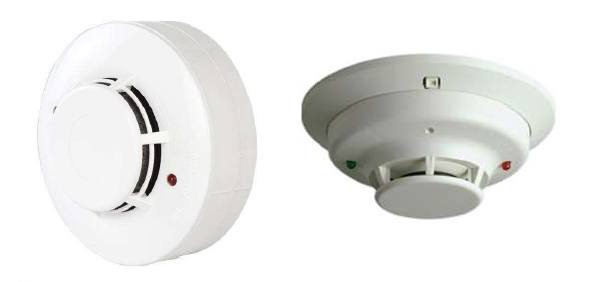
When a smoke detector, heat detector, or manual call point activates, the main control panel identifies the alarm condition and updates the connected repeater panel. The repeater panel then displays the available alarm information, such as the affected zone, device address, programmed location, or alarm status, depending on the system configuration.
If a fault occurs, such as a wiring problem, communication issue, or power supply fault, the repeater panel may also display the corresponding fault information when supported by the system.
The repeater panel helps authorized personnel view important fire alarm information from a convenient location. However, it does not necessarily replace the main fire alarm control panel or independently perform all its functions.
The communication method, display capabilities, and control functions depend on the manufacturer, panel model, and system architecture.
A fire alarm repeater panel consists of several components that allow it to receive, process, and display information from the main fire alarm system.
The display screen presents system information, including fire alarm messages, device locations, fault indications, and other available status details. Depending on the model, the panel may use an LCD, LED display, or another display technology.
Status indicators provide a quick visual overview of the fire alarm system. Common indications may include fire alarm, fault, power supply, and system status, depending on the repeater panel design.
Some repeater panels include buttons for navigating messages, acknowledging indications, or performing other permitted operations. The available controls depend on the device and the system configuration.
The communication interface connects the repeater panel to the main fire alarm control panel. It may use a manufacturer-specific network, a dedicated communication link, or another supported connection.
The power supply provides the electrical power required for the repeater panel to operate. Power arrangements may vary depending on the product and installation design.
The enclosure protects the internal electronics and provides a suitable mounting structure. The panel should be installed in a location where its display is easily visible and accessible to authorized personnel.
The internal circuitry manages communication with the main control panel, processes incoming status information, and operates the display and indicators.
Fire alarm repeater panels are available in different configurations to suit the requirements of various fire alarm systems.
A conventional repeater panel is designed for use with compatible conventional fire alarm systems. Depending on the product, it may display zone-based alarm and fault indications received from the main control panel.
It is suitable for certain smaller or medium-sized buildings where conventional fire alarm equipment is installed and remote indication is required.
An addressable repeater panel is designed to communicate with a compatible addressable fire alarm control panel. It can display more detailed information, such as individual device addresses, programmed locations, alarm messages, and system status, depending on the model.
These panels are often used in large commercial buildings, industrial facilities, hospitals, hotels, and multi-storey properties where detailed alarm information is important.
A networked repeater panel communicates with a compatible fire alarm network that may include one or more control panels. It can provide access to selected alarm and system information across a larger building or multiple connected areas.
Networked arrangements are useful in complex facilities where centralized monitoring and remote display of fire alarm information are required.
A remote annunciator is a display unit installed away from the main control panel to provide alarm and system status information. In many applications, it serves a similar purpose to a fire alarm repeater panel.
The exact terminology and functionality vary by manufacturer and product design.
A repeater panel allows staff to view fire alarm information from a remote location. This can help them identify the affected area and coordinate the appropriate emergency response more efficiently.
Security personnel and facility managers can monitor system information without continuously visiting the main fire alarm control panel.
In large buildings with multiple floors or separate sections, repeater panels can make important alarm information accessible at strategically selected locations.
Depending on the connected system, the repeater panel may display the affected zone or the individual device reporting an alarm. This information can help staff direct emergency responders toward the relevant area.
A compatible repeater panel can display certain fault conditions, helping maintenance teams identify problems that require investigation.
Repeater panels can help security teams, building operators, and facility managers maintain awareness of the fire alarm system's status.
The remote display makes essential system information easier to access without requiring staff to operate the main control panel for every status check.
Fire alarm repeater panels are commonly used in buildings where remote access to fire alarm information is beneficial.
Offices, business centers, shopping complexes, and large retail premises may use repeater panels at reception areas, security desks, or designated facility management points.
Hotels often have multiple floors, guest rooms, service areas, and public spaces. Repeater panels can help authorized staff view alarm information from suitable operational locations.
Healthcare buildings require coordinated emergency response and effective communication. Repeater panels can provide fire alarm information at designated monitoring points, supporting staff awareness and emergency management.
Factories, manufacturing plants, and processing units may use repeater panels to display fire alarm conditions at control rooms, security offices, or other operational locations.
Large warehouses and distribution facilities can benefit from remote alarm indication where the main fire alarm control panel is located away from regularly occupied operational areas.
Schools, colleges, universities, and large campuses may use repeater panels to provide alarm information at security offices or designated management locations.
Airports, transport facilities, convention centers, and other large public buildings may use repeater panels as part of a wider fire alarm monitoring arrangement.
A fire alarm control panel and a fire alarm repeater panel serve related but different purposes.
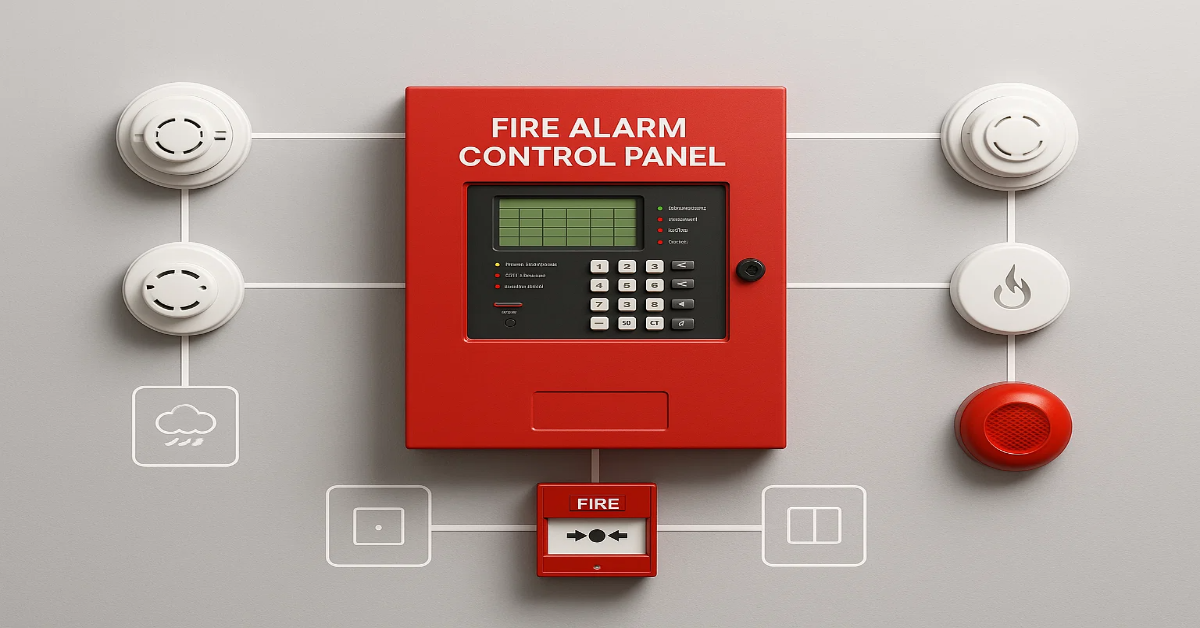
The main fire alarm control panel is the central unit responsible for receiving signals from connected fire detection devices, processing alarm and fault conditions, and controlling the system's programmed outputs.
A repeater panel primarily displays information received from the main control panel at a remote location. Depending on the model, it may also provide limited control functions, but it does not necessarily offer the full functionality of the main panel.
For example, if a smoke detector activates on the third floor of a commercial building, the main control panel processes the alarm and activates the configured notification devices. A connected repeater panel at the security desk can display the available information about the alarm, helping security personnel respond without first visiting the main control room.
The two panels work together to improve monitoring and access to fire safety information.
Proper installation is essential for ensuring reliable communication and clear display of fire alarm information.
The process begins with a site assessment to identify suitable repeater panel locations, communication requirements, cable routes, power availability, and the building's operational needs.
The selected repeater panel must be compatible with the main fire alarm control panel. The installer establishes the required communication connection and power supply according to the manufacturer's specifications.
The repeater panel should be mounted in a visible and accessible location where authorized personnel can easily view its display. The installation must also protect the equipment from unsuitable environmental conditions and unauthorized interference.
After installation, qualified personnel should test communication between the main control panel and the repeater panel. Testing should confirm that fire alarm messages, fault indications, and other supported status information are displayed correctly.
Any supported control functions should also be tested according to the approved commissioning procedure. Installation and commissioning must follow the manufacturer's instructions and applicable fire safety regulations.
Regular maintenance helps ensure that a repeater panel remains operational and accurately displays information from the main fire alarm system.
Important maintenance activities include checking the display screen, inspecting status indicators, verifying communication with the main control panel, checking the power supply, and examining the enclosure and mounting arrangement.
The panel should be tested to confirm that it receives and displays the relevant alarm and fault information correctly. Communication faults, damaged cables, display problems, and power supply issues should be investigated and corrected promptly by qualified personnel.
Maintenance should follow the manufacturer's recommendations and applicable fire safety requirements. Records of inspections, testing, repairs, and system modifications should be maintained for future reference.
Selecting the right repeater panel requires consideration of the building's fire alarm architecture and monitoring requirements.
Panel Compatibility: The repeater panel must be compatible with the main fire alarm control panel.
Display Requirements: The display should provide the level of alarm and fault detail needed by the building's personnel.
Communication Distance: The communication connection must support the distance and network arrangement required for the installation.
Installation Location: The panel should be positioned where authorized staff can easily view and access it.
Power Requirements: The electrical supply must meet the manufacturer's specifications.
Control Functions: Determine whether remote acknowledgment or other control operations are required and permitted.
System Expansion: Consider whether additional repeater panels or networked control panels may be needed in the future.
Standards and Compliance: The selected equipment and installation should comply with applicable fire safety standards and local regulations.
A reliable fire alarm repeater panel helps make critical fire safety information accessible to the people responsible for monitoring a building. By displaying alarms, faults, and other supported system conditions at a remote location, it can improve operational awareness and help staff respond efficiently.
Choosing a suitable panel involves checking system compatibility, communication reliability, display functionality, installation requirements, and maintenance support. The panel should be selected as part of an overall fire alarm design rather than as an independent device.
Professional installation, commissioning, and regular maintenance help ensure that the repeater panel operates correctly and provides dependable information when needed.
A Fire Alarm Repeater Panel is an important fire safety device that provides remote display and monitoring of information from a main fire alarm control panel. It helps authorized personnel view fire alarms, fault conditions, and other available system information without needing to be physically present at the main control panel.
With applications in commercial buildings, hospitals, hotels, industrial facilities, warehouses, and other large premises, repeater panels improve access to fire safety information and support coordinated emergency response.
When correctly selected, installed, and maintained, a fire alarm repeater panel helps strengthen fire alarm monitoring, improve operational efficiency, and contribute to a safer environment for building occupants and property.
Remote alarm and fault indication;
Same display as main panel;
Silence / reset control options;
Simple RS-485 connection;
Wall mounting
| Parameter | Specification |
|---|---|
| Standard | EN 54-2 |
| Display | LCD with LED |
| Communication | RS-485 |
| Supply | 24 V DC |
| Cable Distance | Up to 1000 m |
| Enclosure | Powder-coated metal |
*Values vary by project and selected model — final specification is confirmed at the time of quotation based on site requirements.
Share your flow, head, and site details — we'll recommend the right model and configuration.
Request a Quote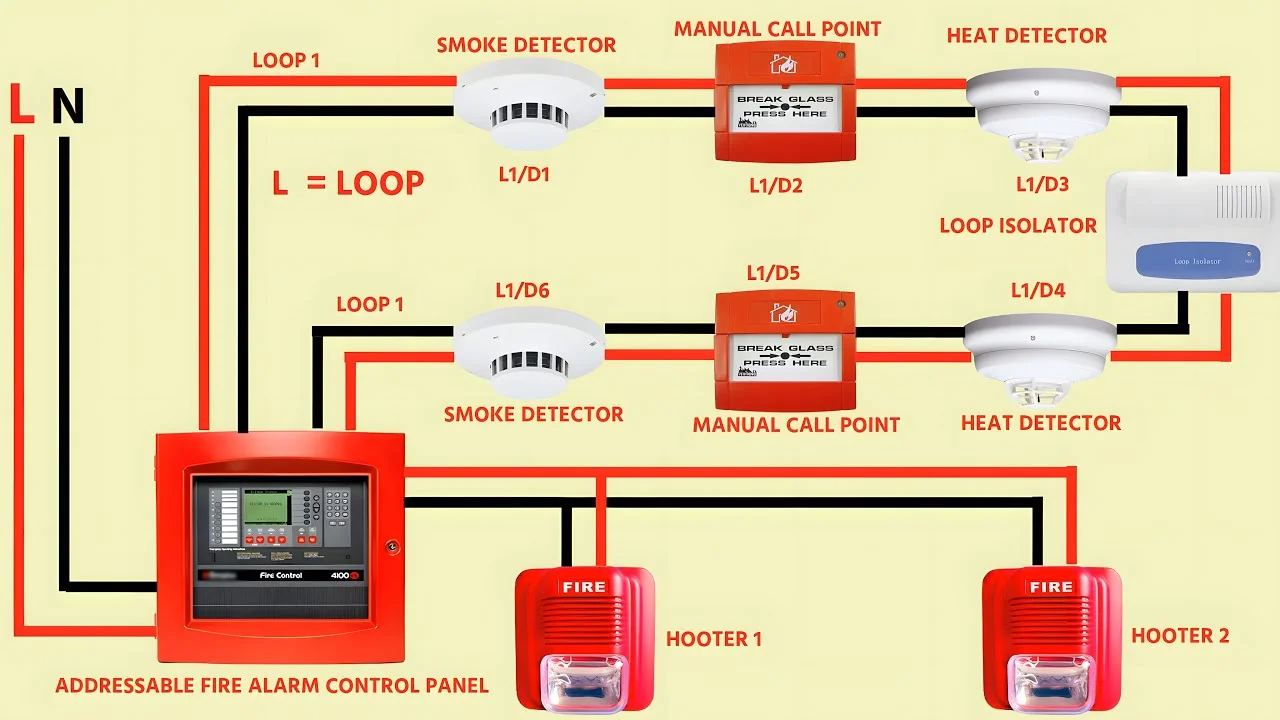
Description goes here...