
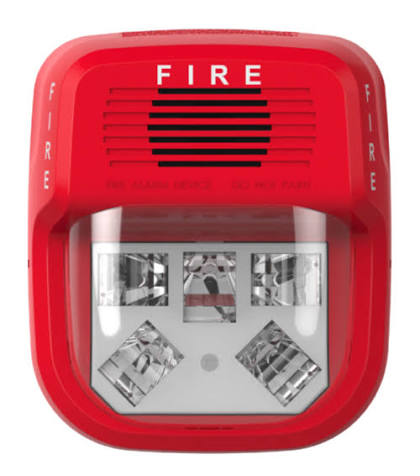
Audible and visual alarm devices to alert occupants.
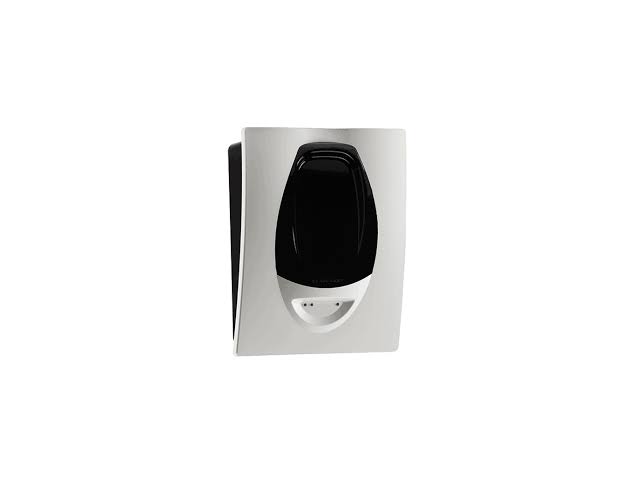
A Hooter / Sounder & Strobe System is an essential component of a fire alarm and life safety system designed to alert people during a fire emergency or other configured alarm condition. It provides audible and visual warnings to ensure that building occupants are notified promptly and can take appropriate safety measures.
A hooter or sounder produces a loud audible alarm, while a strobe provides a flashing visual signal. When a fire alarm system detects smoke, heat, or manual activation through a connected device, the fire alarm control panel sends a signal to the connected notification appliances. The sounder generates an audible warning, and the strobe flashes to attract attention and indicate an emergency.
These devices are widely used in commercial buildings, factories, warehouses, hospitals, hotels, shopping malls, offices, educational institutions, and other premises where effective emergency notification is required.
Hooter, sounder, and strobe devices can be installed as individual units or combined into a single sounder-strobe appliance. They can also be integrated with conventional or addressable fire alarm systems, depending on their compatibility and the overall system design.
A properly designed notification system helps ensure that people receive timely warnings, supports emergency evacuation procedures, and improves overall building safety.
A hooter, sounder, and strobe system operates through the fire alarm control panel or another compatible alarm control unit. Under normal conditions, the notification devices remain in standby mode and are monitored according to the system design.
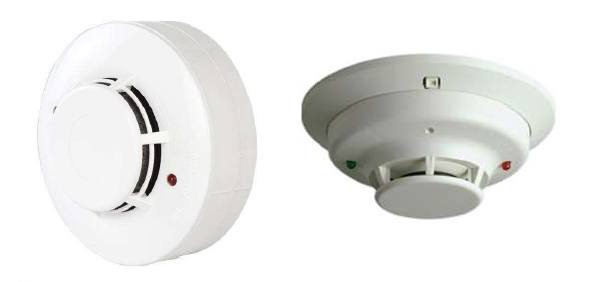
When a connected smoke detector, heat detector, manual call point, or other configured initiating device reports an alarm, the fire alarm control panel processes the signal and activates the appropriate notification circuits or outputs.
The hooter or sounder produces an audible warning that can be heard by occupants in the protected area. At the same time, the strobe emits repeated flashes of light to provide a visible indication of the alarm condition.
Depending on the system configuration, different areas of a building may receive different alarm notifications. For example, a large commercial building may use separate notification circuits for different floors or designated areas.
Once the emergency has been addressed, authorized personnel can reset the fire alarm system according to the approved emergency procedures. The notification appliances return to their normal condition when the control panel and connected circuits are restored as designed.
A fire alarm notification system consists of several important components that work together to alert occupants.
A hooter is an audible alarm device designed to produce a loud warning sound during an emergency. It is commonly used in industrial facilities, factories, warehouses, and commercial premises where an unmistakable alarm signal is required.
A fire alarm sounder generates an audible alarm tone when activated by the fire alarm system. Depending on the model, it may offer different alarm tones and sound output levels to suit the installation requirements.
A strobe light produces repeated flashes of light to provide a visual alarm indication. It can be particularly useful in noisy environments, areas where audible alarms may be difficult to hear, and locations where visual notification is required.
A combined sounder-strobe unit provides audible and visual warnings through a single appliance. This arrangement can simplify installation and provide coordinated notification within the protected area.
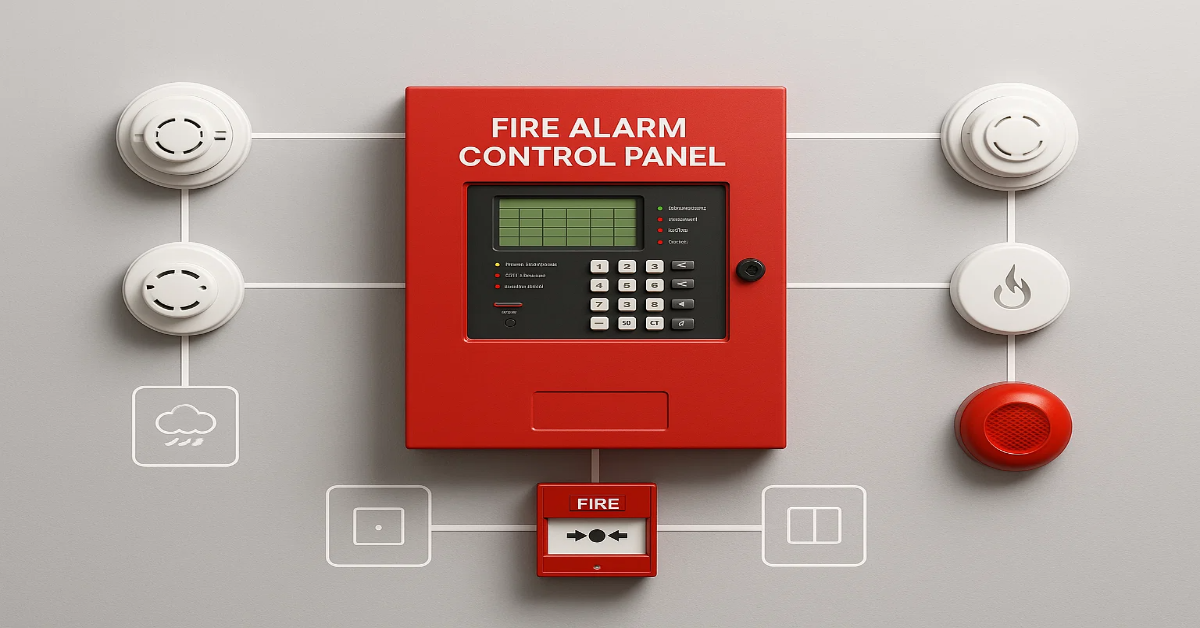
The fire alarm control panel receives alarm signals from connected detection devices and controls the notification appliances according to the programmed system configuration.
The power supply provides the electrical power needed for the notification devices. The required voltage, current capacity, and power arrangement depend on the selected appliances and system design.
Wiring connects the hooters, sounders, and strobes to the compatible control panel or notification circuit. Circuit design must account for voltage drop, cable requirements, appliance load, and the manufacturer's specifications.
Depending on the fire alarm system, a compatible output module or interface may be used to control notification devices or connect them to an addressable system. The interface must be suitable for the required electrical load and operating conditions.
Different types of notification appliances are available to suit various environments and fire alarm applications.
A conventional hooter is connected to a suitable notification circuit or alarm output. When the circuit is activated, the device produces an audible warning.
It is commonly used in smaller commercial buildings, offices, workshops, and industrial premises where conventional fire alarm equipment is suitable.
An addressable sounder is designed to operate with a compatible addressable fire alarm system. Depending on the product, it may communicate with the control panel through the addressable loop or operate through a compatible interface.
These devices are useful in installations that require centralized monitoring, controlled notification, or more flexible alarm configuration.
An electronic sounder uses electronic circuitry to generate alarm tones. Depending on the model, it may provide different sound patterns, output levels, or selectable tones.
Electronic sounders are widely used in commercial and industrial fire alarm installations.
A strobe light provides a flashing visual alarm signal. It is selected according to the required visibility, mounting location, environmental conditions, and applicable notification requirements.
A sounder with strobe combines audible and visual notification in one unit. It can be useful in offices, hospitals, commercial buildings, and other locations where both forms of warning are required.
Weatherproof appliances are designed for suitable outdoor or harsh environments. Their ingress protection rating, temperature limits, and other specifications determine where they can be installed.
They may be used in loading bays, industrial yards, outdoor equipment areas, and other locations where the environment requires additional protection.
Industrial hooters are designed for applications where high ambient noise or demanding operating conditions may affect alarm notification. Their suitability depends on the sound output, mounting arrangement, environmental rating, and applicable fire safety requirements.
Hooters and sounders alert occupants when the fire alarm system detects a configured emergency condition. This helps people recognize the need to respond quickly.
Timely warnings support evacuation procedures and help occupants move toward designated escape routes when required.
Combining sound and flashing light provides two forms of notification. This can improve awareness in locations where one form of notification alone may not be sufficient.
In factories, workshops, and industrial areas, ambient noise may make audible alarms difficult to hear. Visual strobes can provide an additional warning, although notification coverage must still be properly designed.
Sounders and strobes can be used in offices, warehouses, hospitals, hotels, shopping malls, educational institutions, and industrial facilities.
Depending on the fire alarm system design, notification appliances can be arranged to cover different floors, zones, or designated areas.
Compatible notification devices can be connected to conventional or addressable fire alarm systems, supporting centralized alarm control and monitoring.
Hooter, sounder, and strobe devices are used in a wide range of buildings and facilities where reliable emergency notification is important.
Offices, shopping complexes, business centers, and retail stores use sounders and strobes to alert occupants when a fire alarm is activated.
Factories, manufacturing plants, workshops, and production units may use industrial sounders and strobes to provide warnings in areas with high background noise or large operating spaces.
Warehouses and distribution centers use notification appliances to warn staff and visitors and support emergency evacuation procedures.
Hospitals and healthcare buildings require carefully planned alarm notification to support staff response, patient safety, and emergency management. Appliance selection should consider the needs of occupants and the building's fire safety strategy.
Hotels, hostels, apartments, and other accommodation facilities may use sounders and visual alarm devices to provide warnings in designated areas.
Schools, colleges, universities, and training centers use fire alarm notification appliances to alert students, teachers, employees, and visitors during an emergency.
Data centers, server rooms, and technical facilities may use compatible audible and visual notification devices as part of their fire alarm and emergency response arrangements.
Weather-resistant appliances may be used in selected outdoor locations where environmental conditions require suitable protection.
Although these devices are often used together, each has a different function within a fire alarm system.
A hooter produces an audible warning and is commonly associated with loud alarm notification in commercial and industrial settings.
A sounder is an audible notification appliance designed specifically to provide an alarm tone when activated by the fire alarm system.
A strobe provides a visual warning through repeated flashes of light. It does not necessarily produce any sound unless it is part of a combined sounder-strobe unit.
A combined sounder-strobe appliance provides both audible and visual notification from one device. The most suitable option depends on the building's layout, ambient noise, occupant needs, environmental conditions, and applicable fire safety standards.
Correct installation is essential to ensure that audible and visual alarm devices provide effective notification throughout the protected building.
The installation process begins with a site survey to evaluate the building layout, occupancy, background noise, visibility, ceiling heights, and escape routes. Based on this assessment, suitable device types and mounting locations are selected.
Sounders and hooters should be positioned so that the alarm can be heard adequately in the intended areas. Strobes should be located to provide appropriate visual coverage while considering walls, partitions, obstructions, and the needs of occupants.
The appliances are connected to compatible fire alarm circuits or output modules according to the manufacturer's instructions. The installation design must account for electrical load, voltage drop, cable specifications, power supply capacity, and backup power requirements.
After installation, qualified personnel should test the complete system to confirm that the devices activate correctly, the required sound and visual signals operate, and the control panel reports relevant faults. Commissioning should be completed in accordance with applicable fire safety standards and local regulations.
Regular inspection and testing help ensure that the notification system remains operational and provides appropriate warnings during an emergency.
Important maintenance activities include checking the physical condition of appliances, inspecting mounting arrangements, testing audible alarm operation, verifying strobe activation, and checking wiring and power supplies.
The system should also be checked to confirm that all required notification devices activate when the relevant fire alarm condition occurs. Any damaged appliance, wiring problem, or abnormal indication should be investigated and corrected promptly.
Maintenance should follow the manufacturer's recommendations and applicable fire safety regulations. Testing must be coordinated with building management so occupants are informed when necessary and unnecessary disruption is avoided.
Inspection and maintenance records should be maintained to support ongoing fire safety management.
Selecting suitable notification appliances requires consideration of several factors.
Sound Output: The sound level must be appropriate for the ambient noise and the intended protected area.
Visual Coverage: Strobes must provide suitable visibility according to the building layout and applicable requirements.
Device Compatibility: Appliances must be compatible with the fire alarm control panel, notification circuits, or output modules.
Power Requirements: The power supply must support the connected appliances under the intended operating conditions.
Environmental Protection: Outdoor or industrial locations may require weather-resistant or specialized devices.
Occupant Requirements: The notification strategy should account for accessibility and the needs of people who may not reliably hear or see a particular alarm signal.
Compliance and Certification: Products and installations should meet the applicable fire safety standards and regulatory requirements.
Careful selection and professional installation help ensure that the notification system performs effectively when it is needed.
A reliable Hooter / Sounder & Strobe System plays an important role in communicating fire emergencies to building occupants. By combining audible and visual notification, it helps ensure that alarms are noticeable across a variety of building environments.
A suitable system should provide dependable operation, compatibility with the fire alarm control panel, appropriate coverage, and sufficient power capacity. It should also be easy to inspect and maintain throughout its service life.
Working with qualified fire safety professionals helps ensure that the selected devices are appropriate for the premises, correctly installed, and compliant with applicable fire safety requirements.
A Hooter / Sounder & Strobe System is an important part of a complete fire alarm and life safety solution. It provides audible warnings through hooters or sounders and visual warnings through flashing strobes, helping alert occupants when a fire alarm or another configured emergency condition occurs.
These devices are widely used in commercial buildings, factories, warehouses, hospitals, hotels, schools, and other facilities where effective emergency notification is required.
When properly selected, installed, integrated, and maintained, a hooter, sounder, and strobe system supports emergency evacuation, improves occupant awareness, and strengthens the overall fire protection strategy of a building. Investing in a reliable notification system helps create a safer environment for people, property, and business operations.
High sound output;
Bright xenon / LED strobe;
Multiple tone options;
Low current consumption;
Indoor and outdoor models
| Parameter | Specification |
|---|---|
| Standard | EN 54-3 / EN 54-23 |
| Sound Level | 95 – 110 dB(A) |
| Voltage | 24 V DC |
| Strobe | Xenon / LED |
| Tones | Selectable |
| Protection | IP21 / IP65 |
*Values vary by project and selected model — final specification is confirmed at the time of quotation based on site requirements.
Share your flow, head, and site details — we'll recommend the right model and configuration.
Request a Quote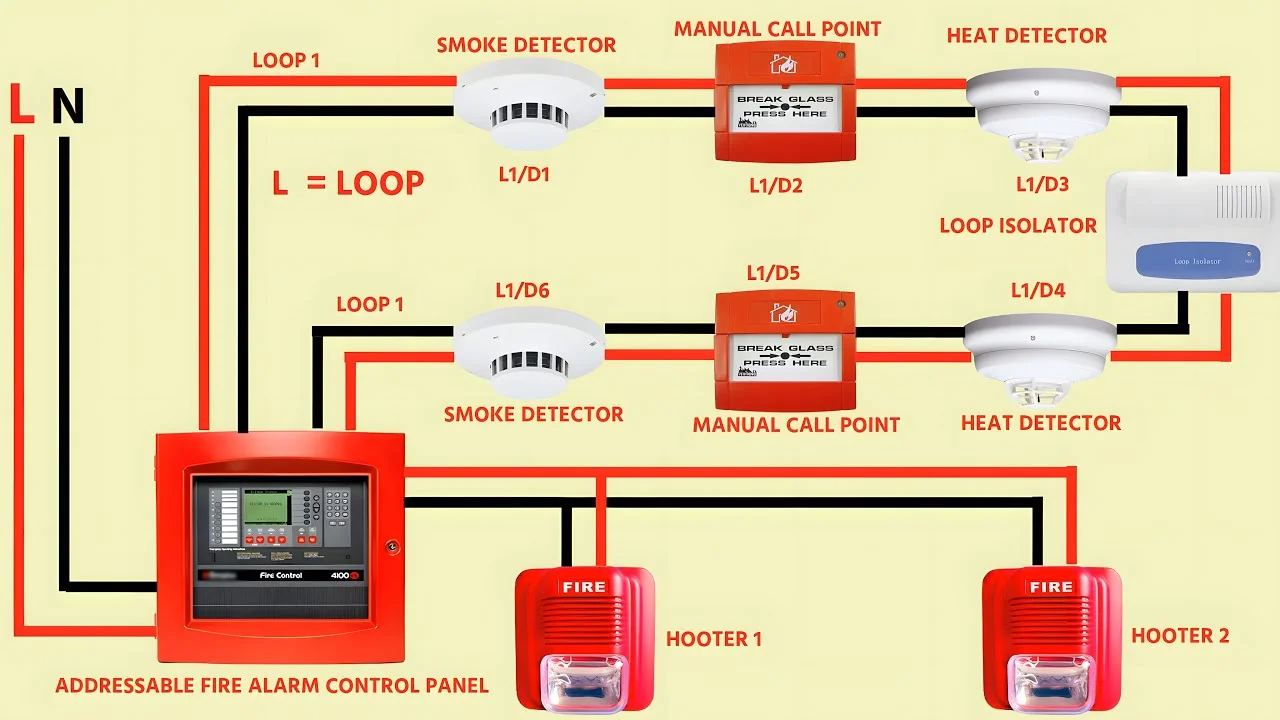
Description goes here...